
0
£0.00
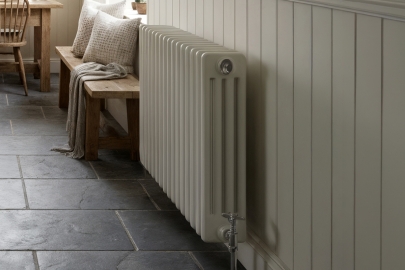
Column radiators are popular because they combine traditional styling with good heat output, but the right model depends on the room, wall space, BTU requirement and existing pipework. This guide explains the practical differences between column counts, orientation and heat output so you can choose a model that suits your room and existing setup.
Built from sections of repeated vertical tubes, column radiators are instantly recognisable by their classic, sectioned appearance. They are often chosen for traditional or period-style interiors, taking inspiration from classic cast iron designs while using modern materials such as steel or aluminium.
Modern versions are widely available in both horizontal and vertical layouts. They suit older homes looking to maintain a heritage aesthetic, but they are also used in modern rooms where a more decorative, textured radiator is wanted. Instead of a flat panel, the looped, multi-tube design increases the surface area, helping to emit heat effectively while adding a distinct architectural detail to the wall.
Column radiators are a practical choice if you want traditional styling alongside reliable heat output. They perform well when the size, column count and BTU rating are matched to the room, and there is usually a model to fit awkward wall spaces. They can offer good heat output when the size, column count and BTU rating are matched to the room, and there is usually a model to fit most awkward wall spaces. You also get a broad choice of finishes, ranging from standard white and anthracite to raw metal or custom coloured finishes, where available.
Just keep the physical footprint in mind. Because of their tubular design, column radiators often project further from the wall than slim, modern panel radiators. Larger multi-column models can also be heavy, especially once filled with water, so it is worth checking wall suitability, product guidance and whether floor-mounting feet are recommended for the chosen radiator.
The main functional difference between models in any column radiator range is depth, which is dictated by the number of columns (the individual vertical tubes positioned front-to-back in each section).
| Column Type | Profile & Depth | Heat Output Potential | Best For |
|---|---|---|---|
| 2-column | Slimmer profile, lower projection. | Moderate to good, depending on total size. | Often useful in hallways or tighter spaces. |
| 3-column | A good balance of depth and traditional styling. | Good output potential for standard rooms. | Living rooms, bedrooms, standard reception rooms. |
| 4-column (or more) | Deeper and chunkier. | Capable of higher output where size allows. | Larger rooms, draughty spaces, high ceilings. |
The exact heat output depends on the specific model's height and width, not just the column count, but adding columns can increase heat output without taking up wider wall space, although it will increase the radiator's depth.
Your choice of orientation will largely be dictated by your room layout and central heating pipework. Horizontal column radiators suit traditional placements, such as positioning them beneath windows or along wider, uninterrupted stretches of wall. In many older UK homes, replacing a standard panel radiator with a horizontal column model is often the easiest route for a like-for-like swap, limiting disruption to existing pipe runs.
Vertical column radiators work well where wall width is limited, such as either side of a chimney breast, in a kitchen with extensive cabinetry, or behind a door. By using the height of the room, vertical models can become a standalone design feature. However, changing from a horizontal to a vertical radiator may involve pipework changes, so it is worth checking the existing pipe centres and asking an installer before ordering. If you are considering making the switch from a standard layout, our guide to the pros and cons of vertical radiators explains exactly how they compare to horizontal models.
Begin by measuring your available wall height and width, taking care to check the radiator's total projection from the wall. Allow adequate space around the unit for natural airflow. Placing a sofa directly against a deep column radiator or covering it with thick curtains restricts convection and can reduce efficiency.
If you are replacing an existing unit without altering the plumbing, checking the pipe centres (the distance between the two valve inlets) is a useful step if you want to avoid pipework changes. Compare the physical size of your chosen model with the stated BTU output. Physical size alone is not enough to guarantee a warm room, as different internal designs and materials emit heat at different rates.
BTU stands for British Thermal Unit, a common measurement used for radiator heat output. A column radiator should always be matched to the room's specific heating requirement. A radiator can look right in the room but still underperform if the BTU output is too low for the space.
A tall narrow radiator and a short wide radiator can look similar but produce different heat outputs. The number of columns affects the depth and potential heating capacity, but the product's stated BTU output is the figure you should compare. Before purchasing, use a radiator BTU calculator or size guide to estimate the heat output needed for the room.
Because of their versatile styling, column radiators look at home in almost any dry room. They are popular in living rooms, dining rooms and bedrooms, where their aesthetic complements both heritage features and contemporary decor. In hallways, a carefully sized 2-column model provides a reliable heat source without obstructing the walkway.
They are frequently specified to add traditional detail to modern homes, as well as replacing older radiators in period properties. In bathrooms, a heated towel rail may be more practical if towel drying is the priority.
A standard white finish is versatile, reflecting light and fitting seamlessly into traditional, neutral design schemes. Anthracite has become increasingly popular for modern interiors, offering a sharp, contemporary contrast against lighter walls. Raw metal or clear-lacquered industrial finishes work well in period properties or rooms aiming for a rugged, textured look.
Coloured options can make the radiator a feature in its own right. The finish should ultimately suit the room, but BTU, physical size and fitting compatibility still matter more than aesthetics. Choose the look you want, but confirm the technical specifications first.
Selecting the right model means balancing the look you want with the practical fitting details. Browse our main column radiators category or wider radiators range to compare styles, sizes and finishes, but check the practical details before ordering.
Match the stated BTU output to the room first. Choose a horizontal or vertical layout based on your available wall space and the routing of your existing pipework. Check the number of columns to understand the radiator's overall depth and projection. Finally, if you are completing a straightforward replacement, ensure you have the correct fittings and valves to complete the installation smoothly.

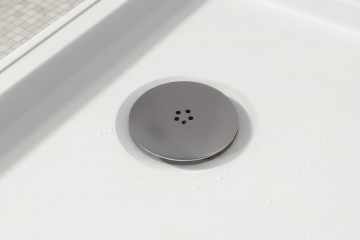
Learn about shower tray waste types, sizes, traps and flow rates, with practical advice on choosing a compatible replacement.
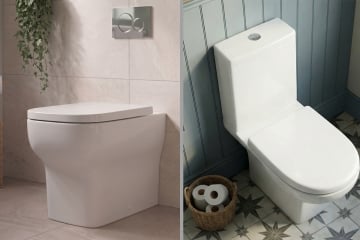
Learn how cable and pneumatic toilet flush buttons work, how to identify your mechanism and what to check before buying a replacement.
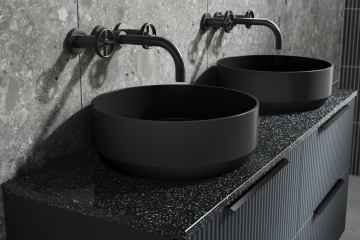
Selecting a basin for a vanity unit requires careful consideration of physical compatibility and plumbing clearances, not just aesthetic appeal. Ensuring the dimensions, mounting style, tap placement, and waste configuration align will prevent installation issues.

By signing up I agree to receive HeatandPlumb.com emails and to the privacy policy. I can also unsubscribe at any time