
0
£0.00
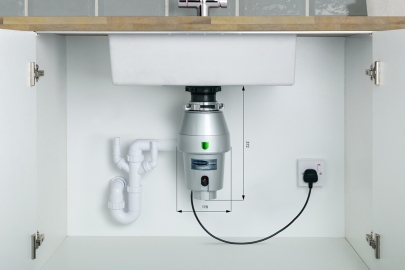
Food waste disposal units provide a clean and convenient way to deal with leftover food straight from your kitchen sink. Installed beneath the sink, they help reduce the amount of waste sent to landfill while cutting down on unpleasant smells and the risk of attracting insects or other pests.
Despite the name, food waste disposers don't use sharp spinning blades. Instead, they rely on centrifugal force and blunt impellers to force food waste against a fixed grind ring, breaking it down into tiny particles. The resulting slurry is then washed through your household drainage system with running water, provided the unit is used correctly.
According to WRAP, UK households throw away an estimated 6 million tonnes of food and drink waste annually, contributing heavily to landfill mass. Installing a disposal unit provides significant environmental and immediate kitchen advantages:
On a practical level, it helps keep the kitchen cleaner and more hygienic. Smelly food caddies are removed from the worktop entirely, and leaking bin bags become a thing of the past - which instantly stops your bins from attracting maggots and flies during the summer months. At many modern wastewater treatment works, organic material removed during treatment is processed through anaerobic digestion to produce renewable biogas and nutrient-rich biosolids. The environmental benefits of a food waste disposer therefore depend partly on the local wastewater infrastructure.
Before buying, check the following specifications to make sure the unit is compatible with your existing plumbing and installation
Choosing the right model comes down to your household size and how you prefer to operate the unit. The first thing to check is the motor power. Models operating at 0.5 HP (horsepower) are perfect for smaller households or light, everyday cooking. However, if you have a large family or frequently cook from scratch, stepping up to a 0.75 HP to 1.0 HP model is essential. The higher torque prevents jams and achieves a much finer grind for tougher scraps.
Next, you need to choose between the two operating types: Continuous Feed and Batch Feed. Continuous feed is the most popular setup; you simply press the air switch and scrape food in continuously while the motor runs. Batch feed models work differently - you load the food into the chamber first, and the motor only activates when you insert a special magnetic plug into the sink hole. Because the sink opening is covered before the grinding mechanism operates, batch feed models are often chosen by safety-conscious households.
Finally, if you live in a rural property, always double-check septic tank compatibility. Not all waste disposers are suitable for septic tank systems. If your property isn't connected to mains drainage, check the manufacturer's guidance or choose a model specifically designed for septic tank use.
Understanding exactly what can and cannot be ground extends the lifespan of the appliance and protects your plumbing.
Keeping your disposal unit smelling fresh and running efficiently is incredibly simple and requires no harsh plumbing chemicals. In fact, standard bleach or drain un-blockers can damage the internal seals.
Instead, use these natural maintenance tricks:
Whether you are looking for a compact 0.5 HP unit for a small flat or a heavy-duty batch feed system for a busy family home, we have the right model for your plumbing setup. Browse our full range of premium food waste disposal units here.

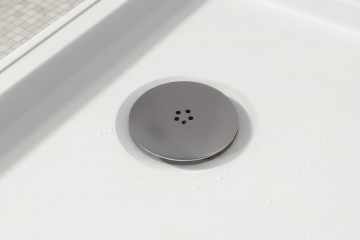
Learn about shower tray waste types, sizes, traps and flow rates, with practical advice on choosing a compatible replacement.
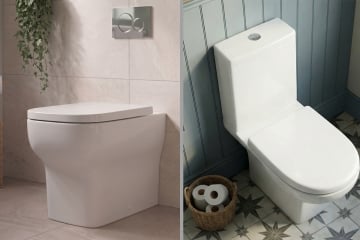
Learn how cable and pneumatic toilet flush buttons work, how to identify your mechanism and what to check before buying a replacement.
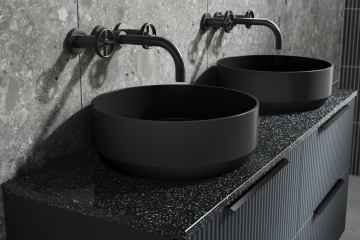
Selecting a basin for a vanity unit requires careful consideration of physical compatibility and plumbing clearances, not just aesthetic appeal. Ensuring the dimensions, mounting style, tap placement, and waste configuration align will prevent installation issues.

By signing up I agree to receive HeatandPlumb.com emails and to the privacy policy. I can also unsubscribe at any time