
0
£0.00
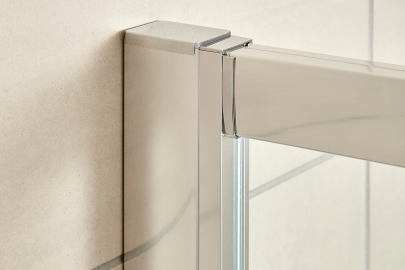
The choice between framed and frameless shower enclosures fundamentally changes your bathroom's appearance and affects everything from cleaning effort to long-term costs.
Frameless designs dominate contemporary bathrooms and design magazines, but framed enclosures aren't outdated - they serve different purposes and budgets whilst offering genuine advantages in specific situations. Here's what actually separates them.
Frameless enclosures use thick toughened glass (typically 8-10mm) with minimal metal hardware - just hinges, handles, and small mounting brackets. The glass provides its own structural integrity without needing metal frames for support, creating clean uninterrupted sight lines.
The substantial glass thickness is essential because it's bearing its own weight and operating forces without frame support. Thinner glass couldn't handle the stresses involved in daily opening and closing without cracking or failing. This thickness requirement drives up costs considerably compared to framed alternatives.
Framed enclosures surround glass panels with aluminium or plastic frames that provide structural support, allowing thinner glass (typically 4-6mm) to be used safely. The frame bears the structural loads, so the glass itself just needs to be waterproof and reasonably durable rather than self-supporting. Metal corner posts, top and bottom channels, and door frames all work together creating a complete structural system.
| Feature | Frameless | Framed |
| Glass Thickness | 8-10mm | 4-6mm |
| Visual Style | Minimalist, modern | Defined, traditional |
| Price Range | £600-1500+ | £200-600 |
| Cleaning | Easier - fewer crevices | More crevices and seals |
| Installation | Complex - precision required | Standard - more forgiving |
| Durability | Excellent (if quality) | Good with proper maintenance |
| Water Sealing | Magnetic strips, careful alignment | Multiple seals, frame channels |
| Best For | Contemporary bathrooms, long-term investment | Traditional styles, budget projects |
Expect frameless enclosures to cost 2-3 times more than equivalent framed models. A basic 900mm framed enclosure might run £200-300, whilst frameless equivalents start around £600-800 and easily exceed £1000-1500 for premium designs with special finishes.
The thick glass alone costs substantially more than thin framed glass - you're using twice the material or more. Manufacturing processes for frameless designs require greater precision because there's no frame hiding minor imperfections or providing adjustment during installation. Hardware components for frameless doors - heavy-duty hinges, sophisticated handles, magnetic sealing systems - all cost more than basic framed equivalents.
Installation labour adds to the cost differential. Frameless enclosures demand precision positioning and secure wall fixings capable of supporting the glass weight without any frame assistance. Poor installation ruins expensive frameless glass, so professional fitting is essentially mandatory unless you're genuinely experienced. Framed enclosures forgive minor installation errors and adjust more easily, keeping labour costs lower.
Yes, substantially. The absence of frame channels, corner joints, and plastic seals means there are far fewer places for limescale, soap scum, and mould to accumulate and hide.
You're basically cleaning large glass surfaces and minimal metal hardware. A quick wipe-down after showering and occasional deep clean with glass cleaner keeps frameless enclosures looking pristine. The smooth surfaces don't trap grime the way frame channels do.
Framed enclosures have numerous crevices where the frame meets glass, corner joints where channels connect, and plastic or rubber seals around doors. Each of these areas accumulates buildup that requires scrubbing with brushes or toothbrushes to remove properly. You're not just cleaning glass - you're maintaining an entire framework of components that all harbour dirt.
The cleaning time difference adds up over years of ownership. If you value low-maintenance bathrooms and don't mind paying more upfront, frameless designs genuinely save ongoing effort.
This depends more on quality and installation than frame presence. Both types can seal effectively or leak depending on components and fitting precision.
Frameless enclosures rely on magnetic strips and precise door alignment to create watertight seals when closed. The system works brilliantly when everything aligns perfectly, but any door misalignment or worn magnetic strips allow water escape. The minimal sealing system means there's less redundancy - if the primary seal fails, water leaks.
Framed enclosures use multiple overlapping seals within frame channels, creating redundant barriers where water must penetrate multiple points to escape. This forgives slight misalignment or seal deterioration because backup seals compensate. However, the numerous seals also create numerous potential failure points that require maintenance.
Quality matters enormously with both types. Cheap frameless enclosures with inadequate magnetic strips leak despite looking premium. Budget framed enclosures with poor seals perform terribly. Invest in quality components regardless of which type you choose.
Frameless enclosures demand precise installation because you can't hide mistakes or adjust easily once glass is positioned. Wall fixings must be exactly placed and extremely secure - the glass weight concentrates on small mounting points without frame distribution. Walls need to be solid (brick or blockwork) rather than plasterboard, or require substantial backing to support the fixings safely.
Drilling positions must be accurate to millimetre precision because the heavy glass won't shift to accommodate misaligned holes. You're also drilling into expensive thick glass for some hinge types, requiring specialist bits and extreme care to avoid cracking during installation.
Framed enclosures offer far more forgiveness during installation. The frame provides adjustment mechanisms that accommodate slightly wonky walls or imperfect positioning. You can tweak alignment after initial fitting to get everything square and sealed properly. The frame distributes weight across multiple fixing points and larger contact areas with walls and tray, reducing stress concentration.
This installation difference makes frameless essentially a professional job whilst framed remains viable DIY territory for competent home improvers. Factor installation costs into your total budget comparison.
Frameless enclosures last indefinitely if the glass doesn't break and fixings remain secure. There's minimal to deteriorate - thick toughened glass doesn't degrade, and quality stainless steel or brass hardware survives bathroom humidity for decades.
The main failure mode is fixings loosening over time from constant door operation stress. Annual inspection and retightening of mounting screws prevents this becoming serious. Magnetic strips eventually lose strength but replace easily and cheaply.
Framed enclosures have more components that can fail - frame finishes corrode, plastic seals harden and crack, corner joints loosen, and door mechanisms wear. Quality aluminium frames with powder coating last 10-15 years before showing serious deterioration, whilst cheap frames fail within 5-7 years.
However, component replacement often extends framed enclosure life considerably. New seals, replacement panels, or even complete door assemblies are often available and relatively affordable, making repair economically sensible. Frameless enclosures rarely need component replacement, but when glass cracks or breaks, you're replacing the entire expensive panel.
Frameless enclosures create dramatic visual impact through sheer minimalism. The transparency and lack of visual barriers make bathrooms feel larger and more open whilst showcasing tile work and fixtures unobstructed by frames.
This works brilliantly in contemporary bathrooms with quality tiles and attractive fixtures worth displaying. The enclosure becomes nearly invisible, letting the bathroom design speak for itself. In traditional bathrooms or those with mediocre finishes you'd rather not highlight, frameless designs might expose things better left less visible.
Framed enclosures provide structure and definition that suits traditional bathroom aesthetics. The visible frames create deliberate boundaries and can coordinate with other bathroom fixtures through matching finishes (chrome, brushed nickel, white). They work particularly well in period properties or bathrooms deliberately designed with traditional character.
The frame presence helps hide the transition between different tile types or covers areas where tiling isn't perfect. This practical consideration matters in real-world bathrooms where everything might not be quite as precise as showroom installations.
At Heat and Plumb, we don't push frameless enclosures as automatically superior despite their premium pricing and contemporary appeal. Over 20+ years, we've learned that the "best" enclosure matches your specific bathroom style, budget reality, and maintenance preferences rather than following whatever's currently trendy.
We stock quality examples of both types because different situations genuinely need different solutions. Free delivery across most of the UK applies whether you're ordering a £300 framed enclosure or a £1200 frameless design - we profit either way, so we've no incentive to steer you wrong.
Our staff can discuss whether your walls actually support frameless installation safely or if framed makes more structural sense. Sometimes the honest answer is "your budget is better spent on framed enclosure plus quality taps" rather than stretching finances for frameless.
When you're ready to browse options, explore our bathroom fittings for enclosed shower spaces in both configurations.

No - they require solid walls (brick, blockwork, or concrete) capable of supporting concentrated weight at fixing points. Plasterboard walls need substantial timber backing or metal frameworks to handle the loads safely. Standard plasterboard with cavity fixings absolutely won't work and creates dangerous failure risks.
Quality frameless hinges operate extremely smoothly because they're precision-engineered components handling significant weight. However, cheap frameless hardware can actually operate worse than decent framed mechanisms.
8mm is the practical minimum for frameless shower doors, with 10mm being ideal for larger panels or pivot doors that experience more stress. Going thinner compromises safety and durability - the glass can't handle the operating forces without frame support.
Not easily - the wall fixings, glass specifications, and sealing systems are completely different. You're essentially removing the old enclosure and installing a completely new frameless one, which includes verifying wall strength and potentially adding backing.
Frameless enclosures are perceived as more premium and modern, which can positively influence buyer perceptions during home sales. However, the actual value addition is minimal compared to the cost difference.
Both use toughened safety glass that shatters into small harmless pieces if broken rather than dangerous shards. The thicker glass in frameless designs is actually harder to break through impact, providing marginal safety advantages.
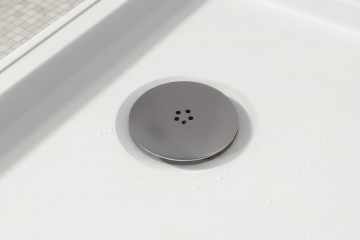
Learn about shower tray waste types, sizes, traps and flow rates, with practical advice on choosing a compatible replacement.
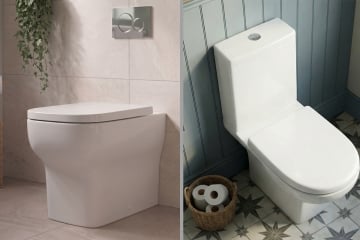
Learn how cable and pneumatic toilet flush buttons work, how to identify your mechanism and what to check before buying a replacement.
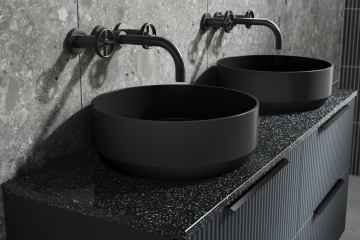
Selecting a basin for a vanity unit requires careful consideration of physical compatibility and plumbing clearances, not just aesthetic appeal. Ensuring the dimensions, mounting style, tap placement, and waste configuration align will prevent installation issues.

By signing up I agree to receive HeatandPlumb.com emails and to the privacy policy. I can also unsubscribe at any time