
0
£0.00
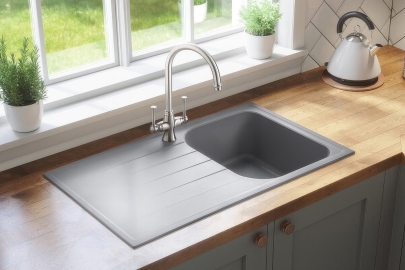
Composite kitchen sinks are famously tough. They handle daily washing up, hot pans, food prep, and busy family use better than many traditional sink materials. But they are not completely maintenance-free.
Leave hard water to sit, or forget to rinse away coffee grounds, tea stains or sauce residue, and that sleek finish can quickly start looking dull, cloudy or marked.
The good news is that you do not need an arsenal of expensive chemicals to keep a composite sink looking clean. In most cases, it comes down to a few simple habits and knowing what not to use.
If there is one piece of advice you take from this guide, make it this: stop leaving your sink wet.
Whether you have a dark grey, black or brilliant white sink, standing water is one of the biggest causes of visible marks. As tap water evaporates, it leaves behind mineral deposits. Over time, these can build up into chalky limescale or stubborn water marks.
Get into the habit of keeping a microfibre cloth near the sink. When you finish washing up, give the bowl and drainer a quick wipe down. It sounds ridiculously simple, but removing moisture before it dries prevents most everyday water marks before they start.
For general everyday cleaning, keep it straightforward. Harsh chemicals are unnecessary for a daily wash.
This quick routine is usually enough to keep a composite kitchen sink looking fresh, especially if you dry it rather than letting water sit on the surface.
Dark composite sinks look incredible, but they are unforgiving when it comes to limescale. Those pale, cloudy patches that make the sink look dirty are often hard water deposits rather than damage.
Avoid the temptation to reach for a heavy-duty bathroom descaler, wire wool or a metal scouring pad. Abrasive cleaning can mark the surface and make the finish look dull.
For light limescale, start with warm soapy water and a non-scratch sponge. Dry the sink fully afterwards to see what remains.
If the cloudy marks are still visible, check the manufacturer's cleaning guidance before using vinegar or a descaling product. Some composite sinks tolerate mild diluted solutions, while others may have finishes that should not be exposed to acidic cleaners.
Where a diluted vinegar solution is suitable, apply it only briefly, wipe with a soft sponge, rinse thoroughly with clean water and dry the surface completely. Do not leave acidic products sitting on the sink for long periods.
Pale composite sinks are better at hiding water marks, but they show food discolouration much more easily. Turmeric, red wine, tea bags, coffee grounds and tomato-based sauces can leave stubborn marks if they are left sitting on the surface.
Speed is your best weapon here. Never leave a dripping tea bag, coffee grounds or curry residue on the drainer overnight.
For fresh marks, start with warm water, washing-up liquid and a non-scratch sponge. If a stain has already settled, check the manufacturer's guidance before using stronger stain removers.
Some people use a paste made from bicarbonate of soda and water for light staining, but it should be used gently. Apply it to the mark, leave it briefly, then wipe with a soft sponge rather than scrubbing hard. Rinse thoroughly afterwards and dry the surface.
The aim is to lift the stain without dulling the finish.
It is much easier to damage a composite sink with the wrong cleaning product than with normal day-to-day use. To protect the surface, sealant, waste and surrounding worktop, avoid:
Where a drain cleaner is required, the product instructions should be followed carefully, keeping it away from the visible sink surface wherever possible.
The best cleaning routine is the one that stops marks building up in the first place.
These small habits make the biggest difference in hard water areas and busy kitchens.
Sometimes, no amount of cleaning will bring a sink fully back to life.
Deep scratches, chemical marks, badly dulled areas or damage around the waste may need specialist advice or replacement. An older sink with a worn or damaged surface can also become harder to keep clean because stains and limescale cling more easily.
A poorly fitted sink can create problems too. If water is getting behind the sealant or sitting around the worktop cut-out, cleaning the bowl will not fix the underlying issue.
If you are fighting a losing battle against a damaged or badly worn surface, it may be time for a fresh start. If you are rethinking your materials and want to weigh up your options, our comprehensive Types and Styles of Kitchen Sinks Buyer's Guide is the perfect place to start. Or, if you love the matte finish but just need a pristine replacement, browse our full range of composite kitchen sinks to find a durable upgrade that is actually built to last.

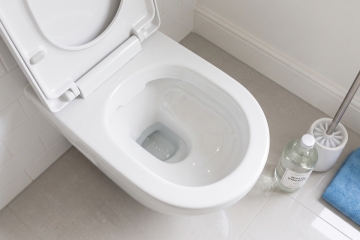
Yellow stains in a toilet bowl are normally caused by a buildup of hard water limescale and urine scale. Learn how to remove yellow limescale and prevent it returning
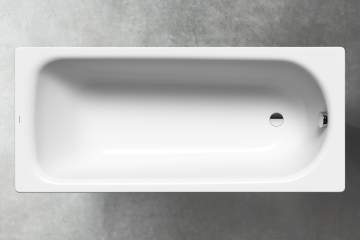
A common reason buyers hesitate over steel baths is the fear that the water will go cold quickly, or that the surface will chip if something is dropped on it. In practice, modern enamelled steel behaves differently from acrylic and has some useful advantages, particularly where rigidity and durability matter.
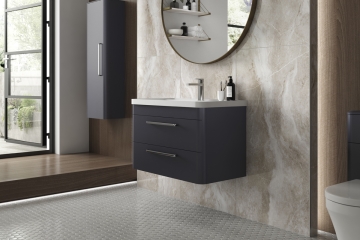
Wall hung vanity units can be installed securely in almost any UK bathroom, provided the underlying wall structure, chosen fixing method and total load are properly assessed. Success relies entirely on understanding what is holding the furniture up, rather than hoping a standard set of wall plugs will hold the weight.

By signing up I agree to receive HeatandPlumb.com emails and to the privacy policy. I can also unsubscribe at any time