
0
£0.00
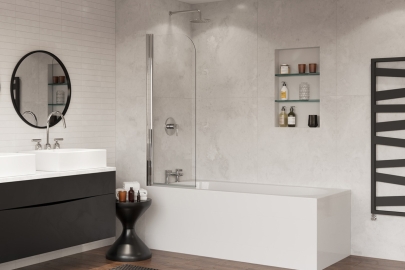
Bath screens collect water marks, soap residue and limescale quickly because they sit directly in the splash zone above the bath. Cleaning the glass, seals and moving parts regularly helps reduce staining, keeps the screen easier to maintain and lowers the chance of water escaping around worn or dirty seals.
Unlike a shower enclosure, where water usually drains directly into a tray, an over-bath setup means water, shampoo and shower gel can splash onto the glass at close range. Soap residue sticks to smooth surfaces, trapping everyday dirt and body oils against the panel.
In hard water areas, mineral deposits are left behind as droplets evaporate, creating white marks that gradually build up if they are not wiped away. Bottom seals and hinges are especially prone to collecting grime because water naturally runs down the screen and gathers along the bath edge.
Poor ventilation also plays a part. Steam and lingering humidity slow down drying time, giving water marks longer to form on the screen.
A soft microfibre cloth, warm water and mild washing-up liquid are usually the safest starting point for routine cleaning. A non-abrasive bathroom cleaner can help with stubborn soap residue on the glass, provided it is suitable for the screen finish.
A soft, clean toothbrush works well around seals and hinge areas where a standard cloth cannot reach. A shower squeegee is also useful for clearing water from the glass after showering.
Stronger limescale removers, acidic cleaners and traditional vinegar solutions are not suitable for every bath screen. Matte black, brushed brass, coloured finishes and glass with an easy-clean coating may be affected by harsh products. Check the manufacturer instructions before using specialised cleaning products on coated glass or plated metal components.
Rinse or wipe away loose residue first so grit is not dragged across the glass during cleaning. Apply a mild cleaner to the screen, working from the top down so dirty water does not run over areas already cleaned.
Use a soft cloth or non-scratch sponge to lift the residue. Avoid abrasive scouring pads, as these can mark the glass or damage protective coatings.
Rinse the panel thoroughly with clean water from the shower head or a jug to remove loosened dirt and detergent. Dry the glass afterwards with a clean microfibre cloth or squeegee to reduce streaks and stop fresh water marks forming as the surface dries.
Limescale forms when hard water minerals, mainly calcium and magnesium, dry on the glass. Regular wiping helps stop these minerals from settling, but homes in hard water areas may occasionally require a mild descaling product.
Avoid scrubbing limescale aggressively. The mineral deposits themselves can be gritty, so heavy scrubbing may mark the glass or affect any factory-applied coating. Our guide on How to Get Hard Water Stains Off Glass will help here.
Chrome, matte black, brass and coloured wall profiles require extra care because strong descalers may dull or discolour the finish. Manufacturer guidance is the safest reference for coated glass, so use mild approved products and allow them time to soften the build-up rather than relying on force.
The bottom seal acts as a barrier along the bath edge, but it also collects soap residue, hair, moisture and general grime. Warm soapy water and a soft toothbrush are usually enough to lift dirt from the flexible fins without damaging the plastic.
Avoid aggressive scrubbing, as it can split or distort the seal and reduce how well it sits against the bath. After cleaning, dry the seal with a cloth to reduce moisture sitting in the crevices.
If the seal is split, brittle or heavily stained, replacement is often more effective than repeated cleaning. Check the thickness of the glass and the shape of the existing seal before ordering a replacement, as bath screen seals are not all universal.
Wall profiles, folding joints and pivot points naturally trap soapy water around their moving parts. A soft cloth and mild cleaner can remove surface build-up without pushing grit deeper into the mechanism.
Avoid flooding the hinge area with water or strong chemicals, as this can leave moisture sitting inside tight spaces where it struggles to dry. Wipe carefully around fixing points, brackets and screw caps after cleaning. Pay special attention to the silicone sealant bead running down the wall profile. Scrubbing this too aggressively with a stiff brush can lift the silicone away from the tiles, allowing water to track down the outside of the bath.
Harsh products can also affect plated or coloured finishes on hinges. Polished chrome, matte black and brushed brass fittings are best treated with mild cleaners unless the manufacturer states otherwise.
Using the wrong cleaning products can mark the glass, damage finishes or reduce the life of seals and moving parts. Avoid:
A quick wipe or squeegee after daily use helps keep water marks and soap residue under control. A more thorough weekly clean is usually enough for normal household use.
Busy family bathrooms and homes in hard water areas may benefit from more frequent cleaning, especially around the bottom seal and hinge side. Regular drying removes water before it evaporates, which makes a noticeable difference to limescale and streaking.
Opening a window or running the extractor fan after use also helps the screen and surrounding bath area dry faster.
Preventive maintenance reduces the need for heavy scrubbing later.
Cleaning can improve the appearance and day-to-day performance of a bath screen, but it will not fix worn hardware or poor fitting. Split, brittle or badly discoloured bottom seals may allow water to escape even after cleaning.
Loose hinges, dropping panels or damaged wall fixings also deserve closer attention. If the screen moves excessively or no longer closes properly, cleaning alone will not solve the problem.
Glass with permanent cloudy staining or etched marks from years of hard water exposure may be difficult to restore fully. If the screen is leaking because of damaged seals, loose hinges or poor fitting, comparing modern bath screens may be more practical than spending more time trying to restore an old one. Newer designs may offer thicker glass, easier-clean coatings or a better fit for the layout of the bath.

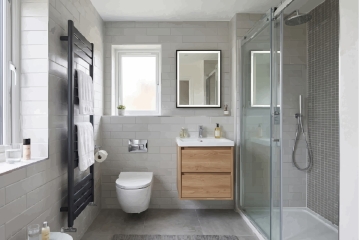
A small bathroom does not automatically require expensive fittings or extensive building work. Good planning makes a surprisingly compact room highly workable. Look honestly at what the space can actually take before choosing fittings, and you avoid costly mistakes later.

Double sink vanities devour space, cost considerably more, and often create problems they're supposed to solve. Single sinks aren't just budget compromises; in many bathrooms they're genuinely the smarter choice. Here's why the obvious answer isn't always right.
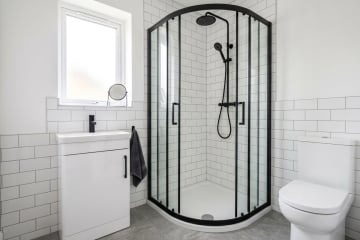
When it comes to our best shower tips for smaller bathrooms, we always insist on one thing: you need to think about the shower enclosure. Small bathrooms demand strategic enclosure choices that maximise usable space whilst providing adequate showering area without overwhelming the room. Getting this wrong leaves you with either cramped unusable showers or enclosures that dominate the bathroom making everything else awkward.

By signing up I agree to receive HeatandPlumb.com emails and to the privacy policy. I can also unsubscribe at any time