
0
£0.00
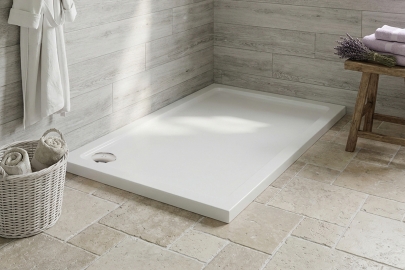
The difference between low-profile and raised shower trays isn't just aesthetic - it fundamentally affects installation complexity, accessibility, and how your bathroom functions daily.
Both options work perfectly well in appropriate situations, but choosing the wrong one for your specific bathroom creates problems you'll be stuck with for years. Here's what actually separates them and which suits your needs.
Low-profile trays sit nearly flush with your bathroom floor, typically rising just 40-60mm above floor level. This minimal height creates a shallow step that's barely noticeable and approaches the wet room aesthetic without full wet room installation costs.
The reduced height requires careful floor preparation because there's minimal clearance underneath for waste pipes and traps. Your floor needs cutting into or the tray needs sitting on a raised platform, both of which complicate installation compared to standard raised trays.
Raised trays sit 100-200mm or more above floor level, creating a definite step up into the shower area. This traditional height provides ample space underneath for plumbing without floor modifications, simplifying installation considerably.
The visible step into the shower is more pronounced, which affects both aesthetics and accessibility. Some people dislike the stepped appearance whilst others find it perfectly acceptable in exchange for easier installation.
| Feature | Low-Profile Trays | Raised Trays |
| Height | 40-60mm above floor | 100-200mm+ above floor |
| Installation Complexity | High - requires floor cutting or building up | Low - fits on existing floors |
| Accessibility | Excellent - minimal step | Moderate - pronounced step |
| Cost (Installation) | £200-500+ additional costs | Standard installation costs |
| Best For | Modern bathrooms, accessibility needs, ground floors | Traditional bathrooms, upper floors, DIY projects |
| Drainage | Requires precise installation | More forgiving |
| Visual Impact | Sleek, contemporary, nearly flush | Traditional, defined shower area |
| DIY Friendly | No - professional installation recommended | Yes - suitable for competent DIYers |
Low-profile trays demand more involved installation because you're working with minimal height for waste routing. The trap must fit within that 40-60mm space, requiring low-profile or horizontal waste systems that cost more than standard traps.
Floor preparation often involves cutting into concrete or building up timber floors to create adequate falls for drainage whilst keeping the tray at the desired low height. This isn't DIY-friendly work - you're looking at professional installation costs that add considerably to the total project expense.
Raised trays install relatively straightforwardly onto existing floors using adjustable legs or frame systems that accommodate uneven surfaces easily. Standard waste traps fit comfortably underneath without special low-profile versions, keeping costs reasonable.
The simplicity makes raised trays viable DIY projects for competent home improvers, whilst low-profile installations genuinely need professional expertise to achieve proper drainage and waterproofing.
Low-profile trays are substantially easier for elderly users, people with mobility limitations, or wheelchair users to access safely. The minimal step reduces trip hazards and allows easier entry without navigating high thresholds.
For aging-in-place bathroom renovations, low-profile trays make enormous sense even if installation costs more initially. The accessibility benefits justify the additional expense when mobility assistance becomes necessary.
Raised trays create more challenging access with their pronounced step height. This matters particularly for anyone with knee or hip problems who finds stepping up and down difficult or painful.
However, raised trays aren't automatically inaccessible - many people manage them perfectly well throughout their lives. The issue is planning for potential future mobility changes versus immediate needs.
Low-profile trays rely more heavily on proper floor slopes and waterproofing because there's less vertical barrier containing water. The shallow sides mean any installation errors or poor sealing potentially allows water escaping onto bathroom floors.
Drainage must be absolutely spot-on because there's minimal fall available within the shallow tray. Water needs encouragement to reach the waste rather than pooling in shallow areas, requiring precise installation that less experienced fitters sometimes struggle with.
Raised trays provide more forgiving installation because the deeper sides contain water even if floors aren't perfectly level or sealing isn't completely ideal. You've got more tolerance for minor installation imperfections without creating leaks.
The additional height also provides better natural drainage as gravity works more effectively with the increased fall from tray surface to waste outlet.
It depends. Low-profile trays create sleek, contemporary appearance that approaches the minimalist aesthetic of wet rooms whilst avoiding full wet room costs. The barely-there step maintains visual flow across bathroom floors.
This works beautifully in modern bathrooms with large format tiles where you want uninterrupted floor planes. The tray almost disappears rather than creating obvious transitions between shower and bathroom areas.
Raised trays have more traditional appearance with their visible step and defined shower area. They create clear demarcation between wet and dry zones that some people prefer for practical and aesthetic reasons.
In period properties or traditional bathroom designs, raised trays often suit the overall aesthetic better than contemporary low-profile options that can look incongruous against Victorian fixtures.
Low-profile trays themselves cost similar to raised trays in equivalent materials and quality levels. The price difference emerges in installation costs and required components.
Specialist low-profile waste systems, additional floor preparation work, and professional installation fees add £200-500+ to total project costs compared to standard raised tray installation. For tight budgets, this matters considerably.
Raised trays keep installation costs manageable because they work with standard components and don't require extensive floor modifications. DIY installation saves further money if you're capable, whilst professional fitting costs less than low-profile equivalents.
Low-profile installations work best with tiled floors that can integrate seamlessly with the tray edge, creating continuous surface appearance. The transition from floor to tray becomes nearly invisible with careful tile selection and installation.
Vinyl or laminate flooring creates more obvious transitions because you can't achieve the same seamless integration. The tray edge remains visible even with low-profile designs, though it's still less pronounced than raised alternatives.
Raised trays work with any flooring type because the step is visible regardless. Whether you've got tiles, vinyl, or even carpet outside the shower area doesn't affect how the tray integrates - it's clearly separate anyway.
Low-profile trays suit ground floor bathrooms where floor cutting is viable, modern bathrooms prioritising minimalist aesthetics, installations where accessibility is crucial, and situations where budget accommodates higher installation costs.
Raised trays work better in upper floor bathrooms where floor modifications are impractical, traditional bathroom designs, budget-conscious projects, DIY installations, and situations where accessibility isn't a primary concern.
Family bathrooms might benefit from raised trays because the defined step helps contain water and prevents children tracking wetness across bathroom floors as readily.
When you're ready to explore options in both heights, browse our high-quality tray designs for everyday use covering low-profile and raised configurations across various materials and sizes.
At Heat and Plumb, we've seen bathroom trends shift toward low-profile trays over our 20+ years, but we know they're not automatically superior to traditional raised designs. The "best" choice depends entirely on your specific bathroom structure, budget, and needs rather than following whatever's currently fashionable.
We stock both types across materials and price points because different situations genuinely require different solutions. Free delivery to most of the UK means you're not paying extra whether you choose a basic raised tray or premium low-profile design.
Our staff understand the installation implications of each type and can discuss whether your bathroom structure actually accommodates low-profile installation without major complications. Sometimes the honest answer is "raised trays make more sense for your situation," and we'd rather tell you that than sell you something that'll cause installation headaches.

It's possible but considerably more complicated than ground floor installations because you can't easily cut into floors without affecting rooms below. You'd need building up the entire bathroom floor level to accommodate drainage, which affects door clearances and creates steps at the bathroom entrance.
Not inherently, but poor installation causes leaks more readily with low-profile trays because there's less tolerance for errors. The shallow sides and minimal height mean any installation mistakes potentially allow water escape.
Expect significant floor preparation including cutting into concrete floors (typically 100-150mm deep) to accommodate waste pipes and create proper drainage falls, or building up timber floors with additional framing to achieve required heights whilst maintaining low profile.
Technically yes, but it requires extensive work including floor modifications, new waste systems, and potentially affecting rooms below if you're on an upper floor. You're essentially doing a major bathroom renovation rather than a simple tray swap.
Yes, provided they're quality materials like stone resin rather than cheap acrylic that can flex. The height doesn't affect durability - material quality and construction determine how well they withstand heavy use.
Building regulations don't specify minimum shower tray height, but practical drainage requirements mean you need at least 40mm for low-profile traps to function properly. Going lower than this creates drainage problems that outweigh any aesthetic benefits.
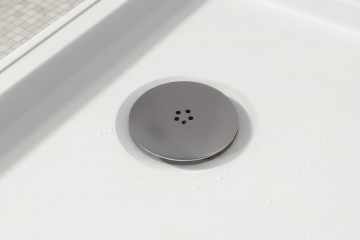
Learn about shower tray waste types, sizes, traps and flow rates, with practical advice on choosing a compatible replacement.
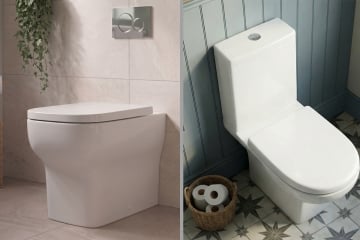
Learn how cable and pneumatic toilet flush buttons work, how to identify your mechanism and what to check before buying a replacement.
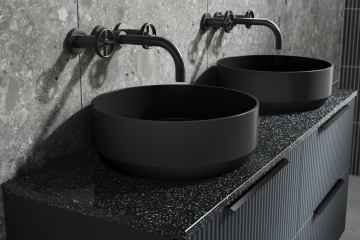
Selecting a basin for a vanity unit requires careful consideration of physical compatibility and plumbing clearances, not just aesthetic appeal. Ensuring the dimensions, mounting style, tap placement, and waste configuration align will prevent installation issues.

By signing up I agree to receive HeatandPlumb.com emails and to the privacy policy. I can also unsubscribe at any time