
0
£0.00
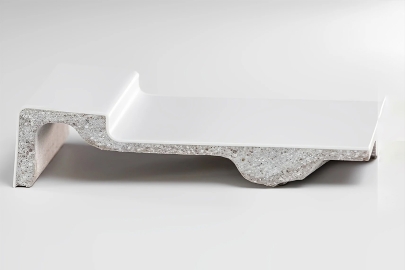
Choosing between stone resin and acrylic shower trays means balancing cost, durability, and practical installation considerations. Both materials dominate the UK shower tray market, but they're fundamentally different in ways that matter long-term.
Understanding these differences helps you choose based on actual performance and value rather than just initial purchase price. Here's what separates them and which suits your situation.
Stone resin trays combine crushed stone (usually limestone or marble) with resin binders, creating dense, solid material that feels substantial and performs more like natural stone than plastic. The mixture is moulded into shape and cured, producing trays that are genuinely heavy and rigid.
The manufacturing process allows for matt finishes that look and feel like natural stone whilst being non-porous and resistant to staining. Quality stone resin trays have consistent colour throughout the material rather than just surface coating.
Acrylic trays are vacuum-formed from sheets of acrylic plastic, often reinforced with fibreglass backing for strength. They're lightweight synthetic products that rely on their glossy finish and reinforcement for durability rather than inherent material strength.
The glossy surface is integral to the acrylic rather than applied coating, though the material underneath is relatively soft and vulnerable to damage if the surface layer is penetrated.
Stone resin delivers superior durability because the dense material resists impact damage, doesn't flex underfoot, and handles daily wear without showing signs of aging for many years. You're looking at 15-20+ year lifespans easily with reasonable care.
Scratches and minor damage can often be sanded out because the colour and material extend throughout the tray depth. This repairability extends functional lifespan considerably compared to materials where surface damage exposes different material underneath.
Acrylic trays are less robust despite being perfectly adequate for typical bathroom use. The material scratches more easily than stone resin, can crack under heavy impact, and may show wear patterns over 10-15 years of daily use.
However, quality acrylic trays with proper fibreglass reinforcement perform well for their intended lifespan. The issue is cheaper acrylic options without adequate backing that flex excessively and crack prematurely.
Stone resin trays are substantially heavier - a standard 900mm square tray weighs 20-30kg, with larger sizes reaching 40-50kg. This creates installation challenges requiring two people to manoeuvre safely, particularly on upper floors or through narrow doorways.
The weight also demands secure wall and floor support capable of handling the load without sagging or shifting over time. Timber floors need adequate joist strength and spacing to support stone resin without additional reinforcement.
Acrylic trays are remarkably light at 5-10kg for typical sizes, making them easy for single-person handling and installation. You can manoeuvre them through tight spaces without assistance and they place minimal stress on floor structures.
The lightweight nature simplifies DIY installation considerably, though it also means the tray can feel less substantial and premium compared to the solid heft of stone resin.
| Feature | Stone Resin | Acrylic |
| Weight | 20-50kg (heavy) | 5-10kg (lightweight) |
| Durability | Excellent - 15-20+ years | Good - 10-15 years |
| Price Range | £150-500+ | £80-200 |
| Impact Resistance | High - resists cracks and chips | Moderate - cracks more easily |
| Feel Underfoot | Warm, solid, non-flexing | Cold, slight flex (budget models) |
| Finish | Matt, stone-like appearance | Glossy, bright white |
| Repairability | Can be sanded and repaired | Difficult to repair damage |
| Installation | Requires 2 people, mortar bed or frame | Easy, 1 person, adjustable legs |
| Maintenance | Shows less water spots | Shows every mark clearly |
| Best For | Long-term investment, contemporary designs | Budget-conscious, DIY installation |
Stone resin trays typically bed directly onto mortar or use purpose-made frame systems, requiring careful levelling to ensure proper support across the entire base. The weight makes adjustment awkward once positioned, so getting placement right first time matters.
Professional installation costs more due to the physical labour and expertise needed for proper levelling and support. DIY installation is viable for experienced home improvers but challenging for first-timers due to weight and precision requirements.
Acrylic trays install on adjustable leg systems that make levelling straightforward even for DIY installers with basic competence. The lightweight nature allows easy repositioning during installation if initial placement isn't quite right.
The simplicity and lower physical demands make acrylic installation faster and cheaper whether you're paying professionals or tackling it yourself, which contributes to the overall cost advantage.
Stone resin trays cost considerably more than equivalent acrylic trays - expect to pay 50-150% premium depending on size and quality. A basic 900mm acrylic tray might cost £80-120 whilst stone resin equivalents start around £150-200.
Premium stone resin trays with matt finishes and designer brands easily exceed £300-500, whilst even premium acrylic rarely surpasses £200 unless it's an unusual size or configuration.
The higher material and manufacturing costs for stone resin reflect the superior durability and aesthetic qualities, but they do create initial budget challenges for cost-conscious renovations.
However, longevity and durability potentially offset the higher upfront cost through extended replacement intervals compared to cheaper acrylic that might need replacing sooner.
Stone resin feels warmer underfoot despite being cold to touch initially because the dense material doesn't conduct heat away from your feet as rapidly as plastic. It maintains a more neutral temperature that feels less shockingly cold on winter mornings.
The solid, non-flexing surface provides stable footing that feels secure and premium. There's no give or movement when you step in, creating confidence that the tray is solidly installed and durable.
Acrylic feels colder initially and remains cold throughout your shower because the material conducts heat poorly and the hollow construction beneath doesn't retain warmth. Cheaper acrylic also flexes slightly underfoot, which some people find disconcerting.
Quality reinforced acrylic minimises flex issues, but even the best acrylic can't match the solid feel of stone resin. It's functionally fine but subjectively less premium.
Stone resin resists impacts that would crack acrylic, making it suitable for family bathrooms where dropped bottles or heavy items falling are realistic risks. The material chips rather than cracks, and chips are often repairable with specialist fillers.
Significant impact can crack stone resin, but it requires substantial force. Normal bathroom accidents rarely cause serious damage beyond surface marks that often sand out successfully.
Acrylic cracks more readily under impact, particularly if the reinforcement is inadequate. Dropped glass bottles, falling toiletry containers, or knocked shower heads can all crack cheaper acrylic trays, requiring replacement rather than repair.
Quality acrylic with good fibreglass backing handles everyday accidents adequately, but it'll never match stone resin's impact resistance. This matters in busy family bathrooms more than peaceful ensuites.
Stone resin's matt surface doesn't show water spots or limescale as prominently as glossy acrylic, making it more forgiving between proper cleans. Regular wiping keeps it looking decent without intensive scrubbing.
However, the textured surface can harbour soap scum in microscopic texture if neglected long-term. Deep cleaning requires slightly more effort than smooth acrylic surfaces, though the difference is marginal with regular maintenance.
Acrylic's glossy surface shows every water spot, soap residue, and limescale deposit clearly, requiring frequent wiping to maintain pristine appearance. On the positive side, the smooth surface wipes clean easily when you do clean it.
Harsh abrasive cleaners damage acrylic permanently by scratching the glossy finish, so you're limited to gentle cleaning products. Stone resin tolerates more aggressive cleaning without surface damage.
Stone resin outlasts acrylic significantly in typical bathroom use. Expect 15-20+ years from quality stone resin trays versus 10-15 years for good acrylic, with budget acrylic sometimes showing problems within 5-8 years.
The material itself doesn't degrade - stone resin trays fail through accidental damage or installation issues rather than material breakdown. Properly maintained examples last decades without needing replacement.
Acrylic degrades gradually through accumulated scratches, discolouration from cleaning products, and potential cracking from stress or impact. Even well-maintained acrylic shows its age eventually in ways stone resin doesn't.
The longevity difference justifies stone resin's higher cost for long-term thinking, though acrylic's adequate lifespan suits renovations on tighter budgets.
Stone resin's matt finish and substantial appearance suits contemporary bathroom designs prioritising natural materials and subtle luxury. The understated elegance works in minimalist and traditional contexts equally well.
Colour options tend toward neutrals - whites, greys, and occasionally black - that coordinate with most bathroom schemes without dominating. The material doesn't try to be flashy, which is precisely its appeal.
Acrylic's glossy white finish looks clean and bright in traditional bathrooms but can appear cheap in contemporary designs where matt finishes dominate current trends. The shiny surface dates designs over time.
The lightweight construction is sometimes visible in cheaper acrylic where you can see slight unevenness or thin construction that undermines the premium appearance you're trying to achieve.
When you're ready to compare actual options in both materials, explore our full selection of shower tray solutions covering stone resin and acrylic across sizes and styles.
At Heat and Plumb, we're realistic about the stone resin versus acrylic debate - one isn't universally superior, they serve different needs and budgets. Our 20+ years stocking both types means we understand which situations genuinely justify stone resin's premium versus where acrylic delivers perfectly adequate performance.
We offer both materials across our range because different bathrooms need different solutions. Free delivery to most of the UK applies whether you're ordering a £100 acrylic tray or a £400 stone resin design, keeping total costs predictable.
What distinguishes us is honest discussion about whether stone resin's benefits actually matter for your specific usage rather than just upselling to the more expensive option. Sometimes acrylic genuinely makes more sense, and we'll tell you that rather than pushing premium products unnecessarily.

Yes, minor chips and scratches can be sanded with fine sandpaper and polished back to smooth finish. Deeper damage might need specialist stone filler matched to your tray colour before sanding and polishing.
Quality acrylic resists yellowing when manufactured properly and cleaned with appropriate products. Cheap acrylic or using harsh chemical cleaners can cause gradual discolouration that's impossible to reverse.
Stone resin's matt finish shows limescale less prominently than glossy acrylic, though both materials accumulate deposits equally. The difference is purely visual - limescale on matt surfaces blends in whilst it's obvious on glossy acrylic.
Neither material takes paint successfully for long-term results. Specialist plastic/acrylic paints might adhere initially but peel or chip quickly under constant water exposure and cleaning.
No, both materials use standard shower wastes and traps. The tray material doesn't affect plumbing requirements at all - installation differences relate to weight and support rather than waste connections.
Stone resin is less affected by temperature fluctuations, maintaining dimensional stability regardless of hot water exposure. Acrylic can theoretically expand slightly with heat, though quality trays account for this in their design.
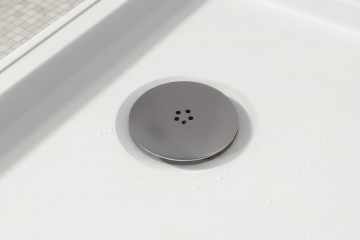
Learn about shower tray waste types, sizes, traps and flow rates, with practical advice on choosing a compatible replacement.
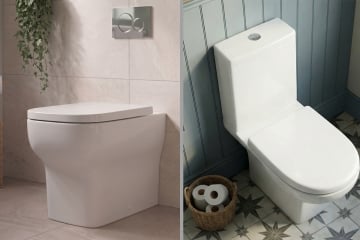
Learn how cable and pneumatic toilet flush buttons work, how to identify your mechanism and what to check before buying a replacement.
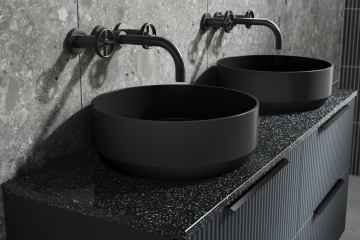
Selecting a basin for a vanity unit requires careful consideration of physical compatibility and plumbing clearances, not just aesthetic appeal. Ensuring the dimensions, mounting style, tap placement, and waste configuration align will prevent installation issues.

By signing up I agree to receive HeatandPlumb.com emails and to the privacy policy. I can also unsubscribe at any time