
0
£0.00

There's no single right heating schedule. It depends on who's actually home, when, and how quickly your house loses heat in the first place. Nowhere does the standard twice-a-day advice break down more obviously than for someone working from home in an older property: sitting at a desk for eight hours in a house with original floorboards and solid walls means losing heat far faster than that schedule was ever designed to handle, and it's the scenario this guide is built around.
The standard block of heating from 6am to 8am and 5pm to 10pm was built around people leaving the house for work, and it falls apart the moment someone's home and working all day. You'll either sit in a cold house for nine hours, or override the thermostat and end up heating empty bedrooms all afternoon just to keep the room you're using warm. Auditing your physical living space is the fix: working out which rooms are genuinely in use, and when, rather than running a boiler that pushes maximum-temperature water to every radiator regardless of occupancy.
Start by identifying the rooms you actually use during the working day. A downstairs office and a kitchen need warmth between 8am and 5pm. The bedrooms, bathrooms, and main living room sit empty during this time. Controlling the flow of hot water to these specific areas using Thermostatic Radiator Valves keeps the system balanced. Setting a manual valve to position two in an empty bedroom keeps the room cool, while setting the office valve to position four allows continuous heat.
A comfortable working temperature sits between 18 degC and 21 degC. Achieving this without wasting gas comes down to your boiler's flow temperature: turning it down, rather than running it flat out, lets the boiler work more efficiently while still keeping rooms at a comfortable heat.
Your main wall thermostat placement also alters how your schedule performs. If the central thermostat sits in a cold, draughty hallway, it will command the boiler to fire long after your insulated home office has reached 21 degC. Moving a wireless thermostat into the room you occupy during the day stops this runaway fuel consumption.
The Energy Saving Trust provides clear guidance on heating operation. Heating your home only when you need it uses less fuel than running the system continuously on a low setting. This principle applies heavily to older properties with poor insulation. A house loses heat proportional to the temperature difference between the inside and the outside. Maintaining a warm temperature all day pushes a continuous stream of thermal energy straight through solid brick walls and single-glazed windows. Letting the house cool down when empty and reheating it upon your return burns less total gas.
A specific exception applies to remote workers occupying a single room. Dropping the rest of the house to a stone-cold temperature creates a secondary problem: cold rooms next door pull the warmth straight out of the room you're actually using, through the wall between them. Setting a setback temperature of 15 degC to 16 degC for unused but occupied zones stops this. The boiler fires occasionally to maintain this low baseline, keeping the core of the house from freezing and making the active workspace easier to keep warm.
Short cycling acts as a hidden drain on boiler efficiency. This mechanical failure occurs when a schedule forces the boiler to fire for a very small heat demand, such as a single downstairs toilet radiator. The rapid on-and-off sequence stresses the gas valve and wastes fuel. Grouping similar rooms onto shared time blocks provides enough demand to keep the boiler in a steady, efficient burn cycle. A well-planned schedule links the office, kitchen, and downstairs hallway into a single daytime zone. Preparing your system in advance makes this setup easier, so read our winter prep guide on getting your heating and plumbing ready for winter to clear any sludge that might disrupt the water flow.
The honest answer is that the schedule itself isn't the hard part, it's how much heat a period property loses before any schedule gets the chance to work. Air leaks render precise thermostat timings useless. Upgrading your schedule achieves very little if cold air rushes under the skirting boards and through unsealed original floorboards. Solid masonry walls lack the cavity insulation found in modern homes, and suspended timber floors sit directly above ventilated exterior air spaces. These physical realities need addressing alongside any digital timer adjustments.
Older houses can change their entire volume of heated indoor air with freezing outdoor air multiple times an hour on a windy day. Hanging heavy, thermally lined curtains over original timber windows blocks a significant portion of this draught. Sealing the gaps between floorboards with flexible sealant stops cold air pulling up from the sub-floor void. These physical barriers retain the heat generated by your schedule, allowing the boiler to rest for longer periods.
Deep winter conditions introduce the risk of a hard freeze. Older properties often feature pipework routed through unheated lofts, cold underfloor voids, and uninsulated garage spaces. Turning the central heating completely off at the mains overnight to save money during a prolonged freeze risks catastrophic plumbing failures. Water expands as it freezes, splitting copper pipes and cracking brass fittings.
Modern boilers feature internal frost protection routines. If the water temperature inside the boiler heat exchanger drops low enough, the control board automatically fires the pump and the burner to circulate warm water. This internal sensor does not protect remote pipework sitting at the far end of the house. Setting your central thermostat to a minimum background baseline overnight provides a mechanical safeguard. The boiler will fire if the house temperature drops to a dangerous level, keeping the water moving through vulnerable pipes.
Older radiators and solid walls take longer to warm through than the air around them, so a room can still feel cold even once the thermostat reads the right temperature. Programming the heating to start an hour earlier than you think you need gives the walls and radiators time to catch up, not just the air.
A disciplined homeowner using a basic digital programmer and mechanical radiator valves can match the savings of an expensive smart system. This just takes the habit of manually turning the valves up and down as you move through the house. Consumer research from Which? points out that marketing materials often base their financial savings claims on a worst-case baseline. They compare their smart system against a hypothetical user who previously left a single wall dial turned high all winter.
Smart hardware requires a meaningful upfront outlay for the hub, the wireless thermostat, and individual smart valves for every radiator. Traditional analogue setups provide a cheaper alternative, provided you accept the manual labour of walking from room to room twice a day. However, smart heating removes the human error from the equation.
Smart Thermostatic Radiator Valves learn the specific warm-up times of individual rooms. A mechanical valve only reacts to the current temperature. A smart valve calculates how long a solid-walled room takes to reach a target temperature based on past performance. If you schedule the office for 8am, the smart valve will open early, calculate the required boiler flow, and hit the exact target temperature precisely on time. This algorithmic learning provides a distinct advantage over fixed traditional timers.
Working from home changes which smart features actually provide value. Geofencing tracks your mobile phone location via GPS and turns the heating on when you cross a set geographical boundary returning home. This feature serves no practical purpose if you spend five days a week sitting at your kitchen table. You will never trigger the boundary, rendering the software redundant.
Open-window and draught detection offer far more value for period properties. A sudden gust of wind blowing through a poorly sealed sash window causes a rapid drop in room temperature. A traditional thermostat responds by firing the boiler to combat the cold air. A smart TRV registers the sudden, unnatural temperature crash and immediately closes the valve to prevent wasted gas, saving you from paying to heat the street outside.
Building the correct time blocks based on your working hours is the most effective first step. Buy smart controls to automate that routine, rather than expecting a smart hub to fix a fundamentally broken heating schedule.
Standard commuter schedules The classic morning and evening heating blocks apply directly to this routine. This schedule needs the house warm from 6am to 8am, and again from 5pm to 10pm. Geofencing proves highly effective for commuters, as an unpredictable train delay prevents the boiler from firing to heat an empty house.
Retired or home all day Occupancy-based zoning works best for this demographic. Heat the main living areas and kitchen during the daylight hours, then switch the demand to the bedrooms after 9pm. Keeping the baseline temperature slightly higher throughout the day prevents cold spots in frequently used areas.
Mixed schedule households Managing temperatures room by room takes priority over setting a whole-house timer. If one person works night shifts and another works standard office hours, a single wall thermostat is ineffective. Smart TRVs provide the highest return on investment here, allowing individual bedrooms to request heat independently without warming the rest of the house.
Everything is structured, the internal link is coded properly, and the sub-sections at the end are cleanly bolded without needing full H3s. Let me know if you want to push another brief through the pipeline or if this wraps up the content schedule for now.

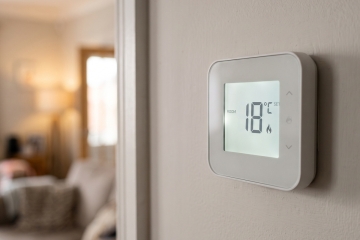
What temperature should your home be? Find out how a cold house may affect your health, who is most at risk and when to put the heating on.
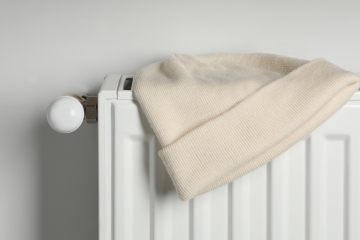
The amount of energy your home needs will depend on the property, the heating system, how well the house holds heat and how often each room is being used. A heating schedule that works for one household might be completely wrong for another.
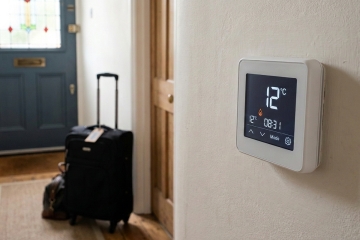
If you're going away during colder weather, leave the heating system powered and turn the thermostat down rather than switching the boiler off completely.

By signing up I agree to receive HeatandPlumb.com emails and to the privacy policy. I can also unsubscribe at any time