
0
£0.00
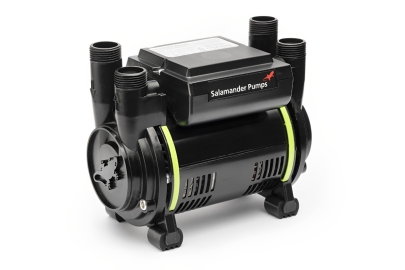
A shower pump is rarely chosen by its physical size. The important part is matching the bar rating, pump type and water system to the bathroom, otherwise performance can suffer through weak flow, unnecessary noise, rapid hot water use or a pump that does not activate correctly.
When customers ask about the size of a shower pump, they are usually referring to its pressure rating, which the industry measures in bar. One bar of pressure is roughly equivalent to the natural force generated by a column of water ten metres high. A higher bar rating typically delivers a stronger flow improvement, actively pushing water through the shower valve with greater force to overcome the resistance of restrictive pipework or large shower heads.
Buying the highest rated model is not automatically the right choice for every property. A larger pump draws water much faster, meaning its performance relies heavily on how well the existing plumbing layout can supply it. If the supply pipework is restrictive or the cold water storage is undersized, a high-pressure unit may struggle to operate smoothly. In practice, the plumbing system often decides the suitable pump size before personal preference does.
Most standard shower pumps are designed specifically to work with gravity-fed plumbing systems. This traditional setup usually features a large cold water storage cistern located in the loft and a dedicated hot water cylinder situated in an airing cupboard. Because low-pressure gravity systems rely entirely on the physical drop of water to create pressure, the natural flow at the shower head is often quite weak, making a standard pump a highly practical addition.
Properties fitted with mains-fed combi boilers or unvented hot water cylinders normally operate at mains pressure already, meaning standard shower pumps are not normally suitable. Attempting to fit a standard pump to a pressurised heating system usually requires different plumbing solutions entirely, and standard shower pumps are not designed to pump directly from the mains water supply. If the current plumbing setup is unclear, confirm the system type before researching specific pressure ratings. A gravity-fed system, combi boiler and mains-pressure setup all point the buying decision in different directions.
A 1.5 bar shower pump often provides a modest but highly effective pressure improvement for a single standard shower enclosure. This rating is frequently suitable when improving a weak gravity-fed shower with a respectable, steady spray that makes washing comfortable. Because the maximum flow rate is sensible, these models can be a practical choice where a stronger but not excessive shower flow is preferred, placing less immediate demand on the home's hot water storage.
Even with a 1.5 bar pump, the condition of the pipework, the shower head size, and the amount of stored water still dictate the final performance. Connecting this rating to a very large overhead fitting may result in a disappointing flow, as the available water pressure spreads thinly across the wide faceplate. For a traditional adjustable handset, a 1.5 bar pump is often enough to create a noticeable improvement, provided the pipework and stored water supply are suitable.
A 2 bar shower pump is a reliable middle-ground option for many gravity-fed shower installations across the UK. This rating delivers a noticeably firmer spray and is often considered when upgrading to a medium-sized rainfall shower head or a shower setup that needs a stronger, more consistent flow.
Before choosing this rating, check that the existing plumbing can supply the pump properly. The shower valve, pipework route, stored water supply and shower head all affect the final result, so a 2 bar pump works best when the wider system can keep up with the extra demand.
A 3 bar shower pump is a more powerful option for higher-flow shower setups. It is usually considered for larger shower heads, multiple body jets or more demanding installations where a stronger flow is wanted.
This rating places greater demand on the whole system, not just the shower itself. The stored water supply, pipework condition, pump position and shower outlet all need to be suitable. In many standard bathrooms, a lower-rated pump may give a better balance of performance, noise and water use.
Beyond the bar rating, selecting the correct activation type is one of the most important choices before buying. Positive head shower pumps need some natural water flow to activate their internal magnetic flow switches. For a positive head model to start, there usually has to be some natural gravity flow through the shower valve when it is turned on. This exact activation rate varies by manufacturer, so checking the product specification is advised.
Negative head shower pumps are used where there is poor or no natural flow. Installations such as loft conversions, where the shower head sits level with or slightly above the cold water tank, often dictate a negative head pump. Awkward pipe runs or low-level cold water tanks can also affect the decision. Negative head models constantly pressurise the pipework between the pump and the shower, using a pressure switch to detect the exact moment a valve is opened, regardless of gravity.
A single impeller shower pump is designed to boost either the hot or the cold water supply through a single internal chamber. This is occasionally useful if one supply is already at high pressure while the other relies on gravity.
A twin impeller shower pump boosts both the hot and cold supplies simultaneously through two separate chambers at the ends of the motor. Many mixer showers installed on gravity-fed systems require balanced incoming supplies to accurately blend the temperature. Supplying high-pressure cold water against low-pressure hot water inside a standard valve can restrict the weaker flow and cause noticeable temperature fluctuations. In many UK installations where both feeds come from gravity storage, a twin impeller model is often the preferred choice to ensure balanced pressure.
Specifying an oversized pump for a modest plumbing system can create practical problems. Higher bar ratings usually produce more mechanical noise and vibration, especially if the pump is installed near a bedroom wall or on a lightweight timber floor. Anti-vibration mats and careful positioning can help, but a larger motor will normally be more noticeable than a smaller one.
A more powerful pump also moves water through the system faster. If the stored hot and cold water cannot keep up, the shower may run hot water down quickly or the pump may struggle to maintain smooth performance. The safest approach is to choose the pump the system can comfortably support, rather than choosing the highest bar rating available.
Before committing to a particular model, check the existing setup carefully. Once the system type is confirmed, browsing the full range of shower pumps can help narrow the choice by bar rating, pump type and brand.
A frequent mistake is buying purely based on the bar rating, assuming higher numbers automatically equate to a better daily experience. Choosing a 3 bar unit because it sounds more impressive can lead to a rapidly drained hot water cylinder and excessive noise if installed on an incompatible system.
Ignoring the difference between positive and negative head often results in a newly fitted pump refusing to activate. Trying to use a standard shower pump with a combi boiler is another common error that usually requires different plumbing solutions entirely. Not checking stored water capacity, ignoring the shower head size, and forgetting the potential noise and pump position can all impact the final result. Finally, not checking the manufacturer instructions before installation can lead to incorrect pipe sizing or missing dedicated flange connections that affect how the pump draws hot water from the cylinder.
If you know your system is gravity-fed but are still comparing pump types, body materials, noise ratings or brands, the full shower pump buying guide is the better next step. It covers the wider buying decisions beyond bar rating alone and helps narrow down the right option for a specific installation.


Learn how high to hang a bathroom mirror, choose the right wall fixings and install it safely, with advice for illuminated mirrors.
Learn about shower tray waste types, sizes, traps and flow rates, with practical advice on choosing a compatible replacement.
Yellow stains in a toilet bowl are normally caused by a buildup of hard water limescale and urine scale. Learn how to remove yellow limescale and prevent it returning

By signing up I agree to receive HeatandPlumb.com emails and to the privacy policy. I can also unsubscribe at any time