
0
£0.00
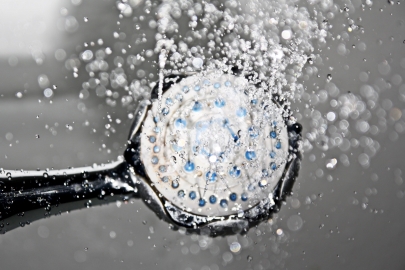
A weak shower is often caused by a mismatched shower head, built-up limescale, restrictive pipework, a poorly specified water system or an incompatible pump. Pinpointing the root of the problem saves money and helps avoid buying replacement hardware that was never going to solve the underlying issue.
Pressure is the physical force pushing water through the pipes, while flow is the actual volume of water arriving at the shower head every minute. A household water system with high pressure but highly restricted pipework will result in poor flow, creating a distinctly weak spray. Sometimes the issue presents as an imbalance, where high-pressure cold mains water easily overpowers a gravity-fed hot water supply, leaving a shower that fluctuates wildly in temperature. Alternatively, a shower might start with a strong spray before dropping off rapidly. This symptom often indicates a problem with the hot water storage capacity or a restriction in the incoming mains supply line unable to sustain continuous demand.
Before buying new equipment or paying for a professional callout, review the most accessible parts of the installation. An underlying plumbing fault is not always the culprit.
Choosing a large rainfall head requires a high available flow rate to perform properly; fitting one to a low-pressure plumbing system often results in water merely dribbling from the central nozzles. Smaller shower head nozzles can produce a sharper, more forceful spray, but they are also much faster to block with limescale, making the shower feel progressively weaker over time. Some modern handsets include water-saving restrictors inside to meet environmental targets, intentionally reducing the flow rate straight out of the box. Changing to a different design or upgrading your fixed shower heads might improve the feeling of the spray, provided the household water supply can actually deliver the required volume to support a larger fitting. Buying a massive overhead drencher will not create pressure that the plumbing system lacks.
The home's core plumbing setup heavily dictates what kind of final performance is achievable. A traditional gravity-fed system, featuring a cold water tank in the loft and a hot water cylinder in the airing cupboard, relies entirely on the height difference between the storage tank and the shower head to generate pushing force. Combination boilers heat water directly from the incoming mains pipe on demand, meaning the resulting shower performance relies entirely on the strength of the local street supply and the boiler's kW power rating. Unvented cylinders also run at mains pressure but store a large volume of hot water ready for immediate use, usually offering the strongest flow rates found in UK homes. Every system has distinct limitations, which directly affect the hardware suitable for installation. Reviewing our shower types explained guide often helps clarify the best options for specific property layouts.
A dedicated mechanical boost can be the most reliable route for homes with suitable gravity-fed setups. Installing one of our shower pumps significantly increases the flow arriving at a mixer shower or shower valve, provided the cold water storage tank has enough capacity to handle the sudden increased demand without running dry. Positive head pumps rely on gravity to push a natural minimum flow of water into the unit to start the internal impellers, making them highly suitable for showers located well below the cold water tank. Negative head pumps activate mechanically, solving the classic problem of a shower positioned too close to the loft tank, where natural flow is negligible. While the bar rating indicates the pump's power output, simply buying the highest pressure available rarely guarantees the best result; a lower bar rating often provides a perfectly adequate spray without draining a standard domestic hot water cylinder in a matter of minutes. Matching these ratings carefully is discussed thoroughly in our what size shower pump do I need article.
Adding standard pumping equipment is not normally suitable for mains-fed combi boiler systems or unvented cylinders. If a property suffers from low mains pressure, fitting a standard pump directly to the incoming supply is not the usual solution and the system needs proper assessment. Electric showers operate independently of the hot water storage system, taking a cold mains feed and heating it internally; standard shower pumps are not normally used to boost these self-contained units. Furthermore, fitting expensive pumping equipment to overcome a blocked shower head, a kinked shower hose or a scaled-up thermostatic cartridge rarely solves the actual problem. Checking the product instructions and verifying the property's water system type prevents costly purchasing mistakes.
A failing thermostatic cartridge inside the valve frequently restricts flow intentionally to protect the user from scalding if it detects an issue with the cold supply line. Thermostatic complete mixer showers rely on carefully balanced hot and cold supplies to blend water effectively. Feeding high-pressure mains cold water and low-pressure gravity hot water into the exact same valve can cause poor temperature control and a noticeably weak output. Upgrading shower valves sometimes solves poor performance if the old internal unit has seized or scaled up beyond repair. Concealed valves hidden entirely behind tiles are inherently harder to inspect and maintain, often requiring a professional plumber to carefully remove the faceplate and test the pipework directly to rule out hidden blockages.
These specific units heat cold water instantly as it passes over an internal heating element, meaning flow rate and water temperature are closely linked. Selecting a higher temperature setting naturally reduces the water flow, giving the internal element more time to heat it, which can make the spray feel weaker. This effect becomes more noticeable during winter, when the incoming mains water is colder and the shower has to work harder to reach a comfortable washing temperature. Replacing an older model with a higher kW unit may improve performance in some homes, but the electrical cabling, consumer unit and incoming mains water pressure all need to be suitable. Any upgrade should be assessed by a qualified professional.
The physical route water takes to reach the bathroom heavily impacts the final flow rate achieved at the shower head. Older or restrictive pipework can throttle performance, especially with modern high-flow showers, acting like a bottleneck regardless of the underlying system pressure. Long pipe runs featuring multiple tight elbow joints create internal friction, which gradually degrades the water pressure before it ever reaches the shower valve. Partially closed isolation valves or older restrictive fittings left behind from previous bathroom renovations are extremely common culprits for weak performance. Poor initial installation layout limits a great shower's potential, and these hidden pipework issues are often tricky to diagnose accurately without a physical inspection beneath floorboards or behind panels.
Avoid purchasing a new pump, replacement valve, or expensive shower head before properly understanding the home's specific water system. Tackling simple checks like cleaning filters and inspecting hoses can often resolve the issue without unnecessary expense. The most successful bathroom projects happen when the chosen product precisely matches the capabilities of the plumbing system. A larger, more powerful-looking product is not a surefire fix for underlying pressure issues and can sometimes make a weak flow feel worse.

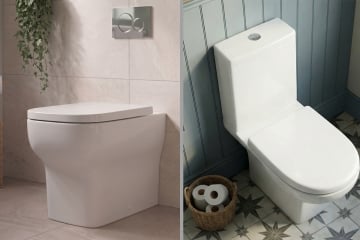
Learn how cable and pneumatic toilet flush buttons work, how to identify your mechanism and what to check before buying a replacement.
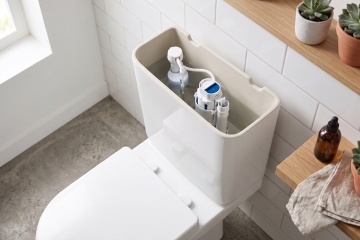
If your toilet will not flush properly, the cause is usually either inside the cistern, around the flush mechanism or further along the waste pipe. The key is to work out whether the flush is weak, not working at all, or backing up into the pan.
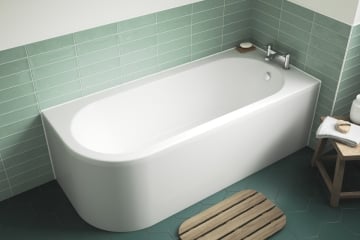
Replacing a bath without disturbing the existing tiles is sometimes possible, but only if the new bath suits the existing footprint, tile line and plumbing setup. If the fit is wrong, you can be left with damaged wall surfaces, awkward gaps or a seal that is difficult to make reliable.

By signing up I agree to receive HeatandPlumb.com emails and to the privacy policy. I can also unsubscribe at any time