
0
£0.00
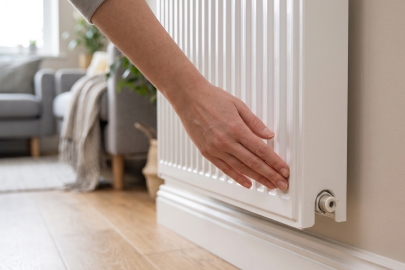
When a customer tells me their radiator is hot at the top but freezing at the bottom, the diagnosis is usually straightforward: the hot water isn't circulating through the lower channels. In the vast majority of UK central heating systems, this points to a build-up of debris restricting the flow where it naturally settles. Let's look at exactly what is going on and how to sort it out before you spend money on a replacement.
For a radiator to heat a room properly, hot water needs to flow evenly across its entire internal surface. When the bottom section stays cold, it means the water is struggling to push through those lower channels.
In a pumped central heating system, hot water might still manage to force its way through the upper section - which is why the top feels warm to the touch. But heavier sediment, rust, and debris naturally drop to the lowest point of the unit, creating a dense barrier that the flow cannot penetrate.
Before tearing the room apart, take a walk around the house. Is it just one rogue radiator playing up, or are several struggling? One cold unit usually points to a localised blockage or a sticky valve, whereas a house full of patchy radiators suggests your wider pipework is crying out for a clean.
Figuring out exactly where the radiator is cold tells you a lot about the underlying fault.
| Symptom | Likely Cause | What it usually means | Next Step |
|---|---|---|---|
| Cold at the top | Trapped air | Air has risen to the highest point, displacing the water. | Bleed the radiator. |
| Cold at the bottom | Sediment or debris | A heavy build-up is restricting flow at the base of the unit. | Check valves; consider flushing. |
| Cold in the middle | Debris accumulation | Sediment is piling up over the central water channels. | May require a professional clean. |
| Cold all over | Valve or system issue | Hot water is not entering the radiator at all. | Check thermostat and valves. |
| One radiator affected | Localised problem | The issue is confined to that specific unit or its pipework. | Check local valves first. |
| Several radiators affected | System-wide issue | Pump, balancing, or heavy system-wide debris is involved. | Call a heating engineer. |
We hear the word "sludge" a lot in the trade, and it is a very common cause. Over the years, rust, magnetite, and tiny metal fragments break away from the inside of your pipes and radiators. Because this sediment is heavier than water, it settles right at the bottom of the system - exactly where your cold patches are.
If your system hasn't been treated with suitable chemical inhibitors over the years, older steel radiators are prime targets for this kind of build-up. However, do not automatically assume sediment is to blame for every cold spot. Poor system pressure, a failing central heating pump, or badly balanced valves can easily mimic a physical blockage.
Valves are the gatekeepers for the water entering and leaving your radiator. If a valve is partially shut or jammed inside, the water lacks the volume to push through the lower channels.
Take a look at your Thermostatic Radiator Valve (TRV). These contain a small internal metal pin that moves up and down to regulate the temperature. After sitting idle all summer, that pin is notorious for seizing in the closed position. At the other end, you have the lockshield valve, which dictates the flow balance. If it's closed down too tight, the radiator will never warm up properly.
Do a quick visual check, but a word of warning from experience: never force a stiff, old valve with a wrench. You will likely shear the spindle and end up with dirty heating water all over your floor.
Balancing is how we ensure the hot water is shared fairly around the house. If a system is out of balance, the radiators closest to the boiler greedily take all the heat, leaving the radiators at the far end of the pipework starved of flow.
When a radiator is starved of flow, it struggles to push water through its lower sections, making it feel weak and patchy. Keep in mind that balancing is entirely different from bleeding; it involves tweaking the lockshield valves to restrict flow on the hottest radiators so the colder ones get a chance to catch up. If the radiators furthest from your boiler are consistently underperforming, a heating engineer can rebalance the system for you.
Bleeding is brilliant for releasing trapped air. But remember basic physics: air is lighter than water, so it always collects at the top. That is why bleeding is the right fix for a radiator that is cold at the top.
If your radiator is freezing at the bottom, turning the bleed key is not going to magically dissolve a solid mass of iron oxide sitting at the base. It is still a good maintenance habit, especially if the radiator is gurgling or clicking, but it will not shift heavy debris. Put simply: bleeding removes air, it does not clean out muck.
Before paying a professional callout charge, run through these quick checks to narrow down the problem:
If you have checked the valves and the rest of the house, and that bottom panel is still stone cold, it is time to get a professional in. If multiple radiators are suffering, you are likely looking at a system-wide flow issue that requires proper diagnostic tools.
An engineer can tell you whether the system needs a simple rebalance, a replacement valve, or if you actually need a professional chemical flush to clear out the sediment. You should also pick up the phone if you notice your boiler pressure constantly dropping, the pump making loud knocking noises, or visible signs of weeping around the pipework.
Absolutely. A cold patch does not automatically mean the radiator belongs in the skip. If a sticking TRV or poor balancing is to blame, fixing the valve or adjusting the flow will bring it right back to life.
Even if the unit is packed full of debris, a plumber can often isolate the radiator, carry it outside, and blast a hosepipe through it to manually flush the worst of the muck out. For heavily contaminated systems, a professional power flush can clear the pipework and the radiators at the same time.
There does come a tipping point where repeatedly flushing a 20-year-old radiator is throwing good money after bad. Heavy internal corrosion doesn't just block the channels; it eats the metal from the inside out, drastically increasing the chances of a pinhole leak ruining your flooring.
If you keep getting cold spots in the exact same unit, or it simply cannot heat the room properly anymore, a replacement is often the smartest move. A modern replacement can be a much better option if the old radiator is corroded, undersized, or no longer suited to the space. Whether you opt for a standard panel or a modern vertical radiator, the key is choosing a model with the correct heat output for the room's dimensions.
Do not jump the gun and order a brand new radiator the moment you feel a cold spot. Take a few minutes to work out whether the fault is isolated to one unit or if the whole heating system is struggling to perform.
A cold bottom usually points to restricted circulation or build-up, not a terminal hardware failure. Run through your simple valve checks first. If the problem persists, get a heating engineer to check the health of your pipework. There is no point hanging a beautiful new radiator on a wall if the pipes feeding it are still choked with debris.

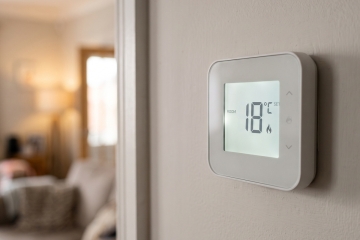
What temperature should your home be? Find out how a cold house may affect your health, who is most at risk and when to put the heating on.
The amount of energy your home needs will depend on the property, the heating system, how well the house holds heat and how often each room is being used. A heating schedule that works for one household might be completely wrong for another.
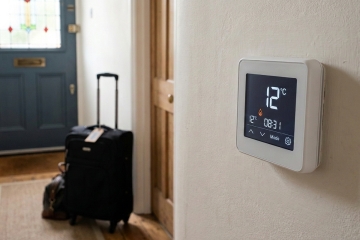
If you're going away during colder weather, leave the heating system powered and turn the thermostat down rather than switching the boiler off completely.

By signing up I agree to receive HeatandPlumb.com emails and to the privacy policy. I can also unsubscribe at any time