
0
£0.00
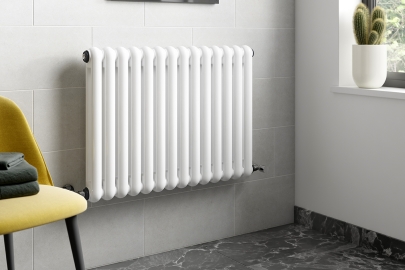
Getting radiator placement wrong doesn't just look odd - it genuinely wastes energy, reduces comfort, and can cost you money every winter through inefficient heating. So what's the best place for them - the living room? The hall? Or should we place radiators under the windows?
Most placement mistakes seem innocuous when you're planning your room layout, but they create problems that persist for years. Here's what to avoid and why it actually matters.
Positioning sofas, beds, or cabinets directly against radiators is probably the most common mistake, and it dramatically reduces heating efficiency whilst potentially damaging your furniture from constant heat exposure.
Heat needs to circulate freely into the room rather than being absorbed by the back of your sofa. When furniture blocks radiators, you're essentially heating your furniture instead of the room, wasting energy and leaving the space colder than it should be. Leave at least 150-200mm clearance between radiators and furniture.
Long-term heat exposure damages furniture too. Leather dries and cracks, wood warps and splits, and fabric fades noticeably. That expensive sofa positioned against your radiator will deteriorate faster than one placed elsewhere, costing you money in replacement furniture alongside higher heating bills.
Floor-length curtains that drape over radiators trap rising warm air behind the fabric, preventing it from circulating into the room and instead directing it straight up the wall toward the ceiling where it's wasted.
The heat gets trapped in the dead space between curtain and wall, creating a warm pocket that achieves nothing useful. Meanwhile, the room stays colder because the heat isn't reaching the living space. You're paying to heat the gap behind your curtains, which is spectacularly pointless.
Shorter curtains that end above radiator height solve this problem completely. Alternatively, curtains that pull well clear of radiators when open allow heat to circulate properly during the day when heating is actually running.
Radiators tucked behind doors seem like clever space-saving solutions until you realise the door blocks heat circulation whenever it's open, which is most of the time in regularly used rooms.
The radiator ends up heating the back of the door and the narrow gap behind it rather than the room itself. When the door closes, you finally get some heat circulation, but then it opens again and you're back to ineffective heating.
Measure door swing arcs before finalising radiator positions. Even if the radiator technically fits behind the door when closed, consider how often that door stays open and whether you're creating a fundamentally compromised heating setup.
Installing identically sized radiators in every room regardless of how they're actually used wastes money and creates comfort problems in both directions - some rooms are too hot, others too cold.
Bedrooms need less heat than living spaces because you're using them primarily for sleeping under duvets. Bathrooms need relatively high heat output despite small size because you're using them whilst wet and exposed. Living rooms where you spend evenings need adequate heat for comfort during peak usage hours.
Calculate heat requirements based on actual usage, not just room size. A small bathroom might need a larger radiator than a bigger bedroom simply because of how and when you use each space.
Mounting radiators high on walls seems clever for keeping floor space clear, but it fundamentally misunderstands how convection heating works and ends up being counterproductive for room comfort.
Heat rises naturally, so radiators mounted high send their warmth straight to the ceiling where it accumulates uselessly. You end up with a warm ceiling and cold floor level where you're actually living, which is precisely backward from what creates comfort.
Radiators work best positioned low on walls - typically 100-150mm above floor level - allowing warm air to rise gradually through the room's full height whilst drawing cooler air from floor level into the radiator for heating.
Hanging heavy radiators on plasterboard walls without adequate backing is genuinely dangerous and surprisingly common, particularly with weighty designer radiators or vertical models that concentrate weight in small areas.
Plasterboard alone cannot support radiator weight reliably. You need either solid walls (brick or blockwork) or timber studs behind plasterboard with proper fixings into the structural timber. Standard plasterboard cavity fixings rated for pictures aren't adequate for radiators weighing 20-50kg when full of water.
Check wall construction before buying radiators, particularly heavy stone or cast iron models. If you've only got plasterboard, you'll need to add backing boards or choose lighter aluminium radiators that won't overstress the fixings.
Positioning multiple radiators on the same wall or in the same corner creates concentrated heat in one area whilst leaving other parts of the room inadequately heated, which defeats the entire purpose of having multiple radiators.
Distribute radiators around the room for even heat coverage rather than concentrating them for convenience during installation. One radiator on opposite walls heats far more evenly than two radiators side by side, even if the total heat output is identical.
At Heat and Plumb, we've seen every radiator placement mistake imaginable over two decades, and we'd rather help you avoid them than profit from selling you radiators that won't work properly in your intended positions. Our range covers over 30,000 heating products - from shower frames to heating solutions for keeping towels warm - so we can usually find solutions that work with your space rather than forcing you to compromise your room layout.
Free delivery across most of the UK applies whether you're ordering one radiator or outfitting an entire house, keeping costs predictable. Our relationships with quality manufacturers mean we stock radiators in various sizes and outputs, giving you options beyond just "make the standard size work somehow."
What makes us different is having staff who'll actually discuss your room layout, furniture plans, and wall construction before recommending specific radiators. Sometimes the answer is "that position won't work well, consider this alternative" rather than just taking your money and leaving you to discover the problem after installation.

Maintain at least 150mm clearance, ideally 200-300mm, between radiators and furniture to allow proper air circulation. This gap lets warm air rise freely whilst preventing heat damage to furniture materials from prolonged exposure.
Alcoves can work provided they're wide enough that the radiator doesn't feel trapped. You need at least 100mm clearance either side of the radiator for air circulation, plus adequate space above for rising warm air to escape rather than being trapped against the ceiling.
Building regulations require at least 300mm horizontal distance between radiators and electrical sockets to prevent heat affecting electrical components and creating safety risks from thermal expansion.
Not necessarily - small spaces like walk-in wardrobes, utility rooms, or storage areas often receive adequate warmth from adjacent heated rooms without needing dedicated radiators. Adding radiators everywhere increases system cost and running expenses without improving comfort.
Radiators positioned too close to combustible materials or in configurations that create fire risks could technically affect insurance, though this is rare with modern radiators that don't reach dangerous temperatures.
Moving radiators requires extending or rerouting pipework, which ranges from straightforward to genuinely complicated depending on your floor construction and how far you're moving them.
Open plan areas need careful radiator distribution to heat the entire space evenly. Multiple smaller radiators positioned strategically work better than single large radiators concentrated in one corner.
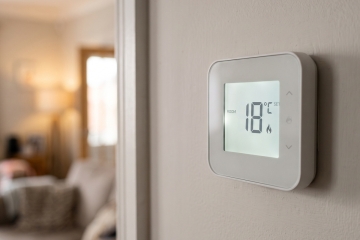
What temperature should your home be? Find out how a cold house may affect your health, who is most at risk and when to put the heating on.
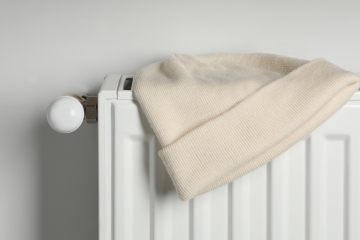
The amount of energy your home needs will depend on the property, the heating system, how well the house holds heat and how often each room is being used. A heating schedule that works for one household might be completely wrong for another.
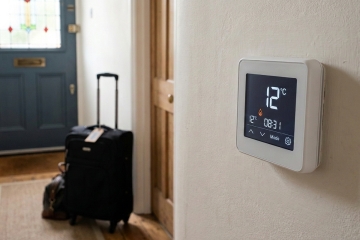
If you're going away during colder weather, leave the heating system powered and turn the thermostat down rather than switching the boiler off completely.

By signing up I agree to receive HeatandPlumb.com emails and to the privacy policy. I can also unsubscribe at any time