
0
£0.00
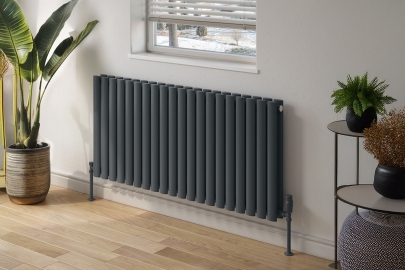
Ever wondered why radiators seem to always end up under windows? Does seem odd, doesn't it? Why put your heat source right next to the coldest part of the room?
There's actually solid physics behind this placement convention, though modern homes don't always benefit from it the same way older properties did. Let's take a closer look at the science of home heating.
Windows are the weakest point in your home's thermal envelope. Even with modern double glazing, they lose heat far faster than insulated walls because glass conducts heat more readily than brick and insulation.
Cold glass cools the air directly adjacent to it. This cold air becomes denser and heavier, sinking downward along the window surface in a process called convection. Without intervention, this cold air descends to floor level and spreads across the room, creating uncomfortable draughts and cold zones.
Positioning a radiator directly beneath the window intercepts this descending cold air before it reaches floor level. The rising warm air from the radiator meets the falling cold air, creating a thermal curtain that prevents cold draughts from spreading into the room. You're essentially creating a barrier of warm air that neutralises the cold before it becomes a problem.
This placement convention originated when single-glazed windows were standard and heat loss through glass was absolutely massive. The cold air descending from windows was powerful enough to create genuinely uncomfortable draughts throughout rooms.
Radiators under windows weren't just preventing slight temperature drops - they were combating serious cold air infiltration that made rooms near windows borderline unusable in winter. The positioning was essential for basic comfort rather than just optimising efficiency.
Central heating systems evolved during this era, so under-window placement became standard practice that persisted even as window technology improved dramatically. Builders and plumbers continued positioning radiators there because that's simply how it was done.
Double glazing significantly reduces heat loss through windows compared to single-pane glass. The cold air descending effect still occurs but it's substantially less dramatic with quality modern windows properly fitted. Triple glazing reduces it even further to the point where the descending cold air barely creates noticeable draughts at all. In well-insulated modern homes with excellent windows, the under-window placement provides less benefit than it did historically.
Low-emissivity coatings and argon-filled gaps in modern glazing units keep the internal glass surface much warmer, which means less cold air descending and spreading. The physics still applies but the magnitude has changed considerably.
Positioning radiators under windows serves a secondary purpose beyond draught prevention - it helps prevent condensation forming on glass surfaces, which can cause mould growth and damage window frames over time.
The warm air rising from the radiator keeps window glass temperatures higher, reducing the temperature differential that causes moisture in room air to condense on cold glass. This matters particularly in bathrooms and kitchens where humidity levels run high.
In bedrooms and other living spaces, preventing condensation protects soft furnishings like curtains from developing mould and damp spots. It's not just about comfort but about protecting your home and belongings from moisture damage.
Period properties with original single-glazed windows or poorly fitted replacements absolutely benefit from radiators positioned beneath windows. The draughts from these windows remain significant enough to warrant the traditional placement.
Rooms with large expanses of glass - floor-to-ceiling windows, bay windows, or patio doors - generate enough cold air descending that under-window radiators still provide noticeable comfort improvements. The sheer surface area of glass creates substantial cold zones without heating intervention.
North-facing rooms receive no direct solar gain and windows stay colder throughout winter months. Positioning radiators beneath these perpetually cold windows prevents the continuous cold air descent from creating uncomfortable zones.
Modern well-insulated homes with quality double or triple glazing don't necessarily need radiators under windows. The reduced heat loss and minimal draughts mean you can prioritise other factors like furniture placement and room layout when positioning radiators.
Interior walls can work perfectly well for radiator placement in contemporary properties, freeing up window walls for furniture or simply maintaining clean lines without radiators interrupting the space.
Rooms with limited external wall space or numerous windows sometimes force radiators onto interior walls simply because there's nowhere else to put them. This works fine provided the radiators are adequately sized for the room's heat loss.
Window sills create limitations on radiator height. Standard window sill heights of 900-1000mm restrict you to radiators around 700-800mm tall maximum, which might not provide sufficient heat output for larger rooms without being extremely long.
Curtains and radiators beneath windows create potential conflicts. Long curtains trap heat behind them rather than allowing it to circulate into the room, wasting energy and reducing comfort. You need shorter curtains or radiators positioned slightly away from window centres to avoid this problem.
Furniture placement becomes constrained when radiators occupy prime wall space beneath windows. You can't position sofas or beds against those walls without blocking the radiators, which limits room arrangement options particularly in smaller spaces.
Understanding the distinction between where you lose heat and where you need heat distributed helps make informed radiator positioning decisions for your specific circumstances.
Windows are where you lose heat, but that doesn't automatically mean they're where radiators work most efficiently. In well-insulated modern homes, distributing heat evenly throughout the room matters more than specifically targeting the window area.
Large rooms might need radiators on multiple walls for even heat distribution regardless of window positions. Focusing solely on under-window placement can leave other areas of the room inadequately heated.
At Heat and Plumb, we stock everything from traditional horizontal radiators designed for under-window installation through to contemporary designs that work anywhere in your room. With over 30,000 products available, including our range of sleek heating solutions for contemporary homes, we're not limited to conventional placements or traditional styles.
Free delivery across most of the UK means whether you're fitting standard radiators under windows or exploring alternative positions with modern designs, you're not paying premium transport costs. Twenty years in business has taught us that while conventions exist for good reasons, they're not immutable laws - sometimes breaking the rules makes perfect sense for specific situations.
We'll discuss your actual window types, insulation levels, and room layouts rather than just defaulting to "radiators go under windows" because that's how it's always been done. Sometimes traditional placement is genuinely best; other times you've got flexibility that opens up better options for your space.

Bathrooms benefit particularly from under-window radiators because high humidity makes condensation prevention crucial. Towel radiators positioned under windows keep glass clear whilst providing towel warming functionality.
Vertical radiators can work beside windows rather than underneath, creating the same thermal curtain effect whilst occupying narrow wall sections. This works particularly well with tall narrow windows where horizontal radiators would need to be extremely wide to span the window width.
Absolutely, particularly in well-insulated modern properties where window heat loss is minimal. Interior wall placement frees up exterior walls for furniture and maintains cleaner room aesthetics without radiators visible beneath every window.
Modern double-glazed windows lose roughly 2-3 watts per square metre per degree temperature difference. Single-glazed windows lose about 5 watts - nearly double. Triple glazing reduces it to around 1.5 watts.
New builds with excellent insulation and quality windows offer genuine flexibility in radiator positioning. You're not fighting the same heat loss and draughts that made under-window placement essential in older properties.
Radiator covers reduce the draught-prevention benefit because they trap and redirect rising warm air, preventing it from forming the thermal curtain that intercepts cold air descending from windows.
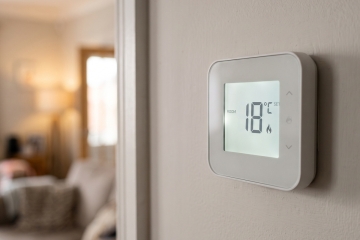
What temperature should your home be? Find out how a cold house may affect your health, who is most at risk and when to put the heating on.
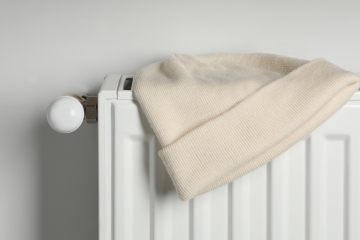
The amount of energy your home needs will depend on the property, the heating system, how well the house holds heat and how often each room is being used. A heating schedule that works for one household might be completely wrong for another.
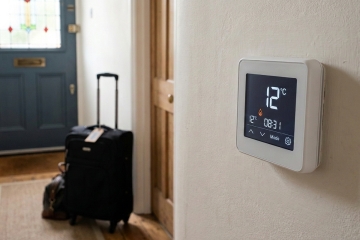
If you're going away during colder weather, leave the heating system powered and turn the thermostat down rather than switching the boiler off completely.

By signing up I agree to receive HeatandPlumb.com emails and to the privacy policy. I can also unsubscribe at any time