
0
£0.00
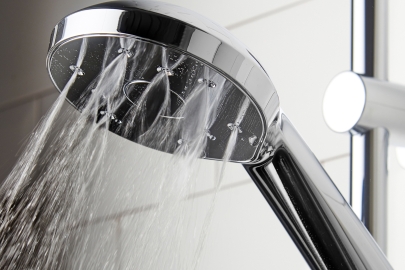
Hard water regions across the UK leave dense calcium carbonate deposits that block shower head nozzles and severely restrict water flow. Removing this limescale safely relies on mild acidity, rather than the aggressive scrubbing or heavy chemicals that permanently ruin bathroom fittings.
Reaching for heavy-duty commercial limescale removers or neat bleach often causes irreversible damage to shower components. These strong acidic chemicals attack the thin layer of chrome plating on standard shower heads, causing it to bubble, peel, and flake away. Applying boiling water presents another serious risk, as the extreme heat frequently warps or completely melts the internal plastic waterways found in most modern shower fixtures. Using stiff wire brushes or abrasive scouring pads will leave deep, permanent scratches across the metallic finish long before the limescale breaks down.
A simple, safe approach involves a 50/50 mixture of standard white vinegar and warm water. White vinegar contains acetic acid, which dissolves calcium carbonate effectively without generating a chemical reaction strong enough to eat through delicate bathroom finishes.
Submerging a shower head requires careful timing based on its finish, not just its price point. Chrome and solid stainless steel are the most forgiving finishes and tolerate a long soak, comfortably lasting a few hours or even overnight for heavily scaled heads. Brass, gold, and nickel finishes are the opposite: these decorative coatings react quickly to acid, so soaking time should never exceed 30 minutes.
Chrome-plated plastic models, which dominate the UK market, need a different kind of caution. The chrome itself tolerates the vinegar well, but the bond between the plating and the plastic beneath it is the weak point. Leave one submerged for too long and the acid can work its way underneath the plating rather than attacking it directly, causing it to lift and flake away regardless of the chrome's own resistance. Thirty minutes is a safe upper limit for these models, and checking the finish periodically during longer soaks is sensible practice regardless of material.
The same timings apply to a handheld shower handset connected by a hose, since the plating and internal waterways are made from the same materials.
Modern shower heads feature soft silicone "rub clean" nozzles designed to prevent limescale from anchoring firmly to the water outlets. Homeowners often try clearing blocked nozzles by poking safety pins or sewing needles into the holes. Piercing the delicate silicone tears the material and permanently destroys the internal spray pattern, resulting in water firing off at unpredictable angles. A far safer method involves gently working the limescale loose using the bristles of a soft, dry toothbrush.

Learn about shower tray waste types, sizes, traps and flow rates, with practical advice on choosing a compatible replacement.
Learn how cable and pneumatic toilet flush buttons work, how to identify your mechanism and what to check before buying a replacement.
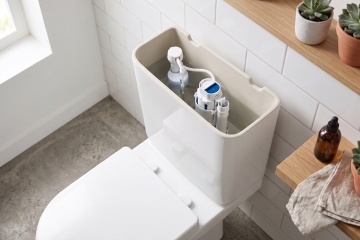
If your toilet will not flush properly, the cause is usually either inside the cistern, around the flush mechanism or further along the waste pipe. The key is to work out whether the flush is weak, not working at all, or backing up into the pan.

By signing up I agree to receive HeatandPlumb.com emails and to the privacy policy. I can also unsubscribe at any time