
0
£0.00
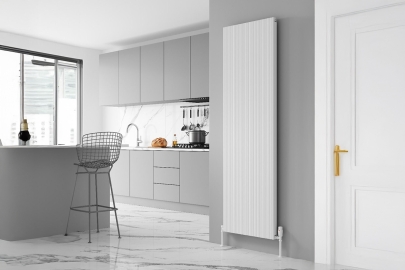
Vertical radiators have become increasingly popular as people look for heating solutions that don't consume valuable wall space. But are they actually any good, or just a style-over-substance trend?
They've got genuine advantages in specific situations whilst also having some proper drawbacks that aren't immediately obvious. Here's what you need to know before committing to one.
Vertical radiators are taller than they are wide, typically ranging from 1400mm to 1800mm in height whilst being relatively narrow - often just 300-600mm wide. This orientation fundamentally changes where and how you can position them compared to traditional horizontal radiators.
The vertical design concentrates heat output in a smaller wall footprint, which sounds brilliant until you consider the physics of how heat actually distributes through a room. Warm air rises naturally, so vertical radiators concentrate that rising air in a narrow column rather than spreading it horizontally across the wall.
The main advantage is reclaiming wall space that horizontal radiators would otherwise occupy. In rooms with limited wall space - particularly those with lots of windows, doors, or built-in furniture - vertical radiators fit where horizontal ones simply can't.
Hallways benefit enormously because you can fit a proper radiator in narrow wall sections beside doors or between doorways. The vertical format works with the room's proportions rather than fighting against them.
Small bathrooms where every centimetre matters can accommodate vertical heated towel rails that provide adequate heat output without dominating an entire wall. You get functional heating and towel warming without sacrificing space needed for other fixtures.
Here's where physics works against vertical radiators. A vertical radiator produces the same heat as a horizontal one with equivalent surface area, but that heat distributes differently through the room.
The narrow width means heat concentrates in one spot rather than spreading across the wall. You get a column of very warm air rising in one location whilst other areas of the room receive less direct heating. This can create noticeable temperature variations across larger rooms.
Convection currents work less efficiently with vertical radiators because the rising warm air has less horizontal surface area to heat before it reaches the ceiling. Horizontal radiators create broader convection currents that circulate air more effectively throughout the room.
Vertical radiators make definite design statements. They're contemporary, visually interesting, and can become room features rather than necessary evils you try to hide behind sofas.
Designer vertical radiators come in extraordinary variety - mirrored finishes, unusual colours, sculptural forms, and premium materials like stainless steel or aluminium. If aesthetics matter significantly in your renovation, verticals offer far more interesting options than standard horizontal panels. P.S. - take a look at our blog on aluminium radiator benefits if you're considering an aluminium model.
However, they definitely look modern and contemporary, which can clash with traditional or period properties. A sleek vertical radiator in a Victorian room with picture rails and cornicing often looks jarringly wrong rather than appealingly eclectic.
Vertical radiators work brilliantly in narrow wall sections where horizontal radiators won't fit - beside windows, between doorways, in alcoves, or on chimney breasts. They're problem-solvers for awkward layouts that standard radiators can't accommodate.
The standard "under windows" placement that works for horizontal radiators doesn't apply to verticals. You'll be positioning them on interior walls or beside windows rather than underneath, which changes how they interact with cold air infiltration and condensation prevention.
Ensure adequate clearance above and below for air circulation. Positioning furniture or shelving too close restricts convection currents and reduces heating efficiency noticeably.
Vertical radiators typically cost more than equivalent horizontal models with the same heat output. The specialist manufacturing and lower production volumes mean you're paying a premium for the format.
Budget vertical radiators start around £100-150 but often deliver disappointing heat output for their size. Mid-range options run £200-400, whilst premium designer verticals easily exceed £500-800 for something genuinely attractive.
Installation costs are similar to horizontal radiators assuming straightforward positioning. Complications arise if existing pipework doesn't align with your chosen location, requiring additional plumbing work.
Vertical radiators don't inherently cost more or less to run than horizontal ones - it's purely about total heat output and how long they operate. A 2000 BTU vertical costs the same to run as a 2000 BTU horizontal because they're using identical amounts of hot water.
However, the less effective heat distribution might mean running the heating longer to achieve comfortable temperatures throughout the room, potentially increasing costs. This varies significantly based on room layout, ceiling height, and radiator positioning.
The height creates issues in rooms with low ceilings where a 1800mm radiator looks absurdly oversized. You need adequate ceiling height (minimum 2400mm, ideally 2700mm+) for vertical radiators to look proportionate rather than awkward.
Wall strength becomes critical because vertical radiators concentrate significant weight in a small area. Plasterboard walls need proper backing or reinforcement - you can't just hang a heavy vertical radiator on cavity fixings and hope.
Thermostatic valves positioned at floor level on vertical radiators can sense incorrect temperatures because they're too far from the main radiator body. Some vertical radiators benefit from mid-height or top-mounted valves for better temperature control.
Furniture placement becomes trickier because the radiator occupies vertical space that conflicts with tall furniture, artwork, or shelving. That narrow wall section that seemed perfect might not work once you consider what else needs positioning there.
Vertical radiators excel in hallways, narrow bathrooms, between windows in period properties with multiple window openings, beside patio doors where horizontal radiators would obstruct access, and in minimalist contemporary spaces where they enhance rather than compromise the aesthetic.
They're less suitable for large living rooms requiring substantial heat output, rooms with low ceilings, traditional spaces where they'd clash stylistically, and situations where standard horizontal radiators fit perfectly well without space constraints.
At Heat and Plumb, we're honest about when vertical radiators make sense versus when they're just fashionable solutions to problems you don't actually have. Over 20 years, we've seen trends come and go, and whilst vertical radiators have proven staying power, they're not universally appropriate despite what Instagram might suggest.
We stock over 30,000 heating products including both vertical and horizontal radiators across every price point, which means we're not pushing one format over another for profit. Free delivery to most of the UK applies equally whether you're ordering a £100 vertical or a £50 horizontal - we've got no financial incentive to steer you wrong.
Our technical staff can calculate whether a vertical radiator will actually provide adequate heat for your specific room or if you'll be perpetually cold despite the attractive appearance. Sometimes the honest answer is that a standard horizontal would work better, and we'd rather tell you that than have you disappointed after installation.
Ready to browse options? Take a look at our radiator options crafted for stylish interiors - our range covers both vertical and horizontal designs.

They produce the same total heat for equivalent surface area, but distribute it less evenly. In smaller rooms (up to about 15-20 square metres), the difference is barely noticeable. Larger rooms can develop cold spots away from the radiator's rising heat column.
Yes, assuming you've got adequate wall height and the vertical radiator produces sufficient BTU output for your room. The pipe connections might not align perfectly, requiring some plumbing modifications.
The height means hot surfaces extend higher, potentially within reach of climbing children. This isn't necessarily dangerous with modern radiators that don't reach extreme temperatures, but it's worth considering.
Wider vertical radiators produce more heat than narrow ones of the same height. A 600mm wide vertical produces substantially more BTUs than a 300mm wide one.
Yes, though positioning matters. Bottom-mounted TRVs are standard but might sense floor-level temperatures rather than room temperature accurately. Some manufacturers offer mid-height or top-mounted valve options for better temperature sensing.
Most vertical radiators mount with 100-150mm clearance at the bottom for air circulation and access to valves. The top should have similar clearance from the ceiling to allow heat to escape and circulate rather than being trapped against the ceiling.
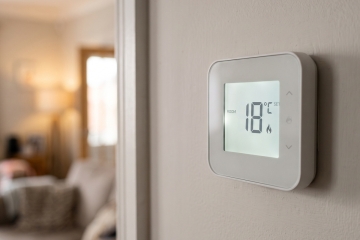
What temperature should your home be? Find out how a cold house may affect your health, who is most at risk and when to put the heating on.
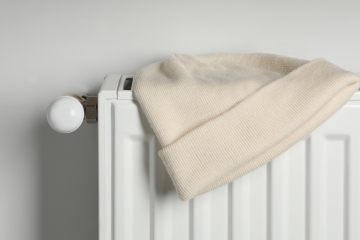
The amount of energy your home needs will depend on the property, the heating system, how well the house holds heat and how often each room is being used. A heating schedule that works for one household might be completely wrong for another.
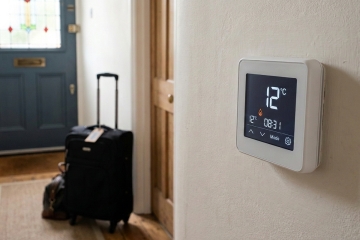
If you're going away during colder weather, leave the heating system powered and turn the thermostat down rather than switching the boiler off completely.

By signing up I agree to receive HeatandPlumb.com emails and to the privacy policy. I can also unsubscribe at any time