
0
£0.00
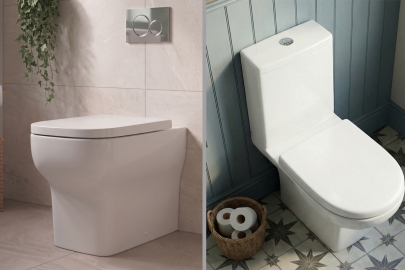
If your toilet flush button is broken or needs replacing, the important thing is finding out how it connects to the flush valve inside the cistern. Two buttons can look almost identical but use different mechanisms, so appearance alone isn't enough to establish compatibility.
Here's how to tell the main types apart and what to check before ordering a replacement.
Dual flush means a toilet offers two flush options, usually a smaller flush for liquid waste and a larger flush for solid waste. The smaller flush uses less water, helping to reduce consumption.
Dual flush describes the two flush volumes the valve delivers and the button lets you choose, rather than how the button operates the valve. The button might use a cable, a pneumatic tube, a direct push rod or another mechanism, depending on the cistern design.
Some toilets have two separate buttons, while others use a single button with two distinct pressing options. The arrangement varies by manufacturer.
The easiest way to identify the mechanism is to inspect the connection between the button and the flush valve, if you can access it.
On an exposed cistern, this may mean carefully removing the lid according to the manufacturer's instructions. Ceramic lids are heavy and easily chipped, so lift the lid straight up and rest it somewhere safe. With a concealed cistern, access is often through the removable flush plate.
Look for a physical cable or a narrow plastic tube connecting the button assembly to the flush valve. If you can see neither, the button may press directly onto the valve through a push rod or plunger (used on some standard close-coupled toilets), or operate through a mechanical lever linkage.
If you cannot see the connection clearly, check the cistern's make and model or look for identification markings on its internal components.
Don't assume that every concealed cistern uses a pneumatic system or that every close-coupled toilet uses a cable. Both the cistern design and the manufacturer's mechanism matter.
A cable-operated button uses a physical cable to activate the flush valve. Pressing the button moves the cable, which operates the mechanism inside the cistern and releases water into the pan.
The cable usually runs inside a protective outer sleeve. Depending on the design, the button and valve may be connected by a relatively short cable or a longer arrangement suited to a particular cistern.
If the button stops working, the cable may have become disconnected, damaged or jammed. The button itself or the flush valve could also be at fault, so a failed flush doesn't automatically mean the cable needs replacing.
When buying a replacement, check whether the cable is supplied with the button, whether it is compatible with the existing valve and whether its length and connections suit your cistern.
A pneumatic flush button uses air pressure rather than a physical cable to activate the flush valve. Pressing the button operates an air mechanism, with a flexible tube carrying the pressure signal to the valve's actuator.
This arrangement can be useful with concealed cisterns because the tube can be routed between the flush plate and the cistern mechanism. The exact setup depends on the manufacturer and model.
A pneumatic button may stop working if the tube becomes disconnected, damaged or kinked, or if the button or valve actuator develops a fault. Check the connections and inspect the components you can access before assuming the entire mechanism needs replacing.
When choosing a replacement, confirm that the button, tube and flush valve are designed to work together. A pneumatic button that fits the wall plate opening may still be incompatible with the valve behind it.
| Feature | Cable-operated | Pneumatic |
|---|---|---|
| How it works | A physical cable activates the flush valve | Air pressure activates the valve's actuator |
| Connection | Cable and associated fittings | Air tube and associated fittings |
| What to inspect | Cable condition, connections and movement | Tube condition, connections and actuator |
| Replacement checks | Cable length, end fittings and valve compatibility | Tube arrangement, connections and valve compatibility |
Some buttons use neither a cable nor a tube. On many close-coupled cisterns, the button presses directly onto the flush valve, and some concealed cisterns use a mechanical lever linkage behind the plate. The same compatibility checks apply to these.
Neither cable nor pneumatic operation is automatically the better choice. The correct replacement is the one designed for your existing cistern and flush valve, unless you're replacing the wider mechanism as well.
Before ordering, check these details rather than choosing a button based on its appearance alone.
Identify the manufacturer and model Check the cistern, existing flush mechanism or product documentation for a manufacturer name and model number. This can help narrow down compatible replacement parts.
Check the connection type Establish whether the button uses a cable, pneumatic tube, direct push rod or another mechanical linkage. A button that looks the same as your existing one may use a different connection.
Measure the button opening Measure the diameter of the hole in the cistern lid in millimetres. Replacement buttons are often listed by hole size, with examples including 38mm, 48mm and 50mm. Check the product specifications carefully, as the hole diameter and the button's outside diameter can differ. The thickness of the lid also matters, as it can affect how the button fits and operates.
Check the cable or tube length For cable-operated and pneumatic systems, check the length, fittings and connection points against the replacement manufacturer's specifications.
Establish whether you need the button or the complete mechanism If the button housing is damaged, replacing the button assembly may be enough. If the cable, actuator or flush valve has failed, the faulty component or a compatible complete mechanism may be required. Replacing the whole valve isn't always necessary just because the original button is discontinued.
Once you've confirmed your mechanism and measurements, you can browse our toilet cistern flush plates for concealed cistern options.
A button that feels loose, sticks down or does nothing when pressed can have several causes.
Check the mounting and retaining components, as well as the connection to the flush mechanism. A loose fixing may be the cause, but inspect the assembly before tightening anything.
The cable or tube may have disconnected, or a fault may lie in the actuator or flush valve.
The button assembly may be damaged, obstructed or failing to return properly. If water keeps running after the flush, see our guide on how to fix a toilet that keeps running.
Check for a loose connection or damaged component, following the manufacturer's guidance.
If the button assembly can be removed for inspection, follow the manufacturer's instructions and avoid forcing plastic fittings. Isolate the water supply to the cistern before dismantling the mechanism. Don't apply descaler or other cleaning chemicals directly to the mechanism unless the manufacturer confirms they're suitable.
For a broader diagnosis of flushing problems, see our guide on toilet won't flush properly: common causes and fixes.

No. Button size, fixing method and connection type vary between cisterns. Some replacements fit several models, but check the manufacturer's compatibility information before ordering.
Often, yes. If the button assembly is damaged, replacing that assembly may be enough. If the cable, actuator or valve has failed, the faulty component or a compatible complete mechanism may be needed.
Not necessarily. Depending on the existing cistern, the change may require a compatible dual-flush valve as well as a suitable button. Check the manufacturer's guidance before buying parts or changing the mechanism.
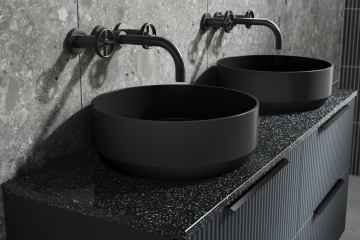
Selecting a basin for a vanity unit requires careful consideration of physical compatibility and plumbing clearances, not just aesthetic appeal. Ensuring the dimensions, mounting style, tap placement, and waste configuration align will prevent installation issues.
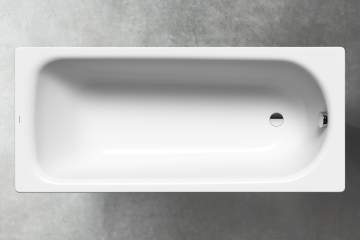
A common reason buyers hesitate over steel baths is the fear that the water will go cold quickly, or that the surface will chip if something is dropped on it. In practice, modern enamelled steel behaves differently from acrylic and has some useful advantages, particularly where rigidity and durability matter.
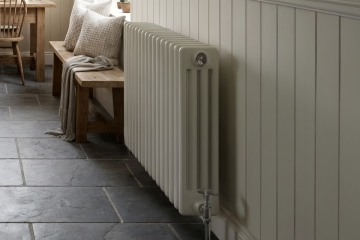
Column radiators are popular because they combine traditional styling with good heat output, but the right model depends on the room, wall space, BTU requirement and existing pipework. This guide explains the practical differences between column counts, orientation and heat output so you can choose a model that suits your room and existing setup.

By signing up I agree to receive HeatandPlumb.com emails and to the privacy policy. I can also unsubscribe at any time