
0
£0.00
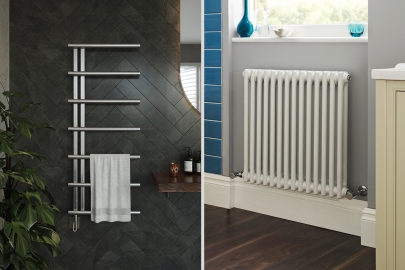
Bathrooms need heating like any room, but whether you choose heated towel rails or standard radiators affects comfort, practicality, and whether you'll actually have warm towels when you need them.
Both options work, but they serve slightly different purposes and excel in different situations. Understanding these differences prevents installing beautiful towel rails that leave you freezing or powerful radiators with nowhere to hang wet towels.
Standard bathroom radiators prioritise room heating, producing substantial BTU output from relatively compact sizes. A typical 600mm x 800mm bathroom radiator might produce 2500-3500 BTUs depending on type and construction. This heat output suits bathrooms adequately, warming the space to comfortable temperatures even in winter. You've got proper heating capacity that handles the room's thermal requirements.
Heated towel rails produce significantly less heat from equivalent physical sizes because their primary function is towel warming rather than room heating. The ladder or rail design with gaps between bars reduces effective surface area compared to solid panel radiators. A 600mm x 800mm towel rail typically produces 1200-1800 BTUs - enough to keep towels warm whilst contributing some ambient heating but insufficient as sole heat source in most bathrooms.
The heat output difference means towel rails work brilliantly in small ensuites or cloakrooms with minimal heating requirements, whilst larger family bathrooms often need supplementary heating or much larger towel rails to maintain comfortable temperatures.
Heated towel rails excel at their namesake function - warming towels to luxurious temperatures that make stepping out of showers genuinely pleasant rather than shocking. The rail or ladder design allows hanging multiple towels simultaneously with air circulation around them, creating effective warming across several towels. Family bathrooms benefit enormously from the capacity to warm everyone's towels.
Standard radiators can technically warm towels draped over them but this blocks the radiator's heat output, reducing room heating efficiency whilst potentially creating damp towels that don't dry properly. Draping wet towels over radiators also risks damaging towel fabric from excessive direct heat and looks untidy. Towel rails provide designated storage that's both functional and visually acceptable.
However, towel rails only warm towels when they're turned on. If you run heating intermittently rather than constantly, towels might not be warm when you actually shower unless you time heating schedules carefully.
Towel rails typically install vertically, using wall height efficiently whilst maintaining relatively narrow widths. This suits bathrooms with limited horizontal wall space but adequate vertical clearance. A 1200mm tall towel rail might only be 500-600mm wide, fitting beside doors, in alcoves, or on narrow wall sections where horizontal radiators won't accommodate.
Standard radiators sit horizontally, requiring adequate wall width but using less vertical space. They fit under windows (traditional radiator positioning) or along walls where height is constrained but width is available.
Installation complexity is similar for both - standard plumbing connections to your central heating system work identically. Some towel rails offer dual fuel options (central heating plus electric element) providing flexibility.
Electric-only towel rails avoid plumbing entirely, running purely on electricity. This simplifies installation but creates higher running costs compared to gas central heating.
Heated towel rails suit contemporary bathroom design beautifully, their ladder or geometric profiles working as intentional design features rather than necessary appliances you're trying to hide. Chrome finishes dominate towel rail aesthetics, though matt black, brushed brass, and anthracite options increasingly feature in modern bathrooms. The metallic finishes coordinate with taps and shower fittings.
Standard radiators can look utilitarian unless you invest in designer bathroom radiators. Basic white panels work functionally but rarely enhance bathroom aesthetics. However, designer radiators in appropriate finishes look perfectly acceptable in bathrooms whilst delivering superior heat output. The aesthetic gap has narrowed considerably as radiator design has evolved.
Basic heated towel rails cost £80-200 for standard sizes in chrome, with designer options ranging £200-600+. Dual fuel versions with both central heating and electric elements cost £150-300. Standard bathroom radiators run £50-150 for conventional panels, with designer bathroom radiators reaching £200-400. The heat output per pound spent favours standard radiators significantly.
Running costs differ if you're comparing gas central heating towel rails versus electric-only versions. Electric heating costs 3-4 times more per unit of heat than gas, making electric towel rails expensive to run constantly.
Installation costs are similar for both types when connecting to central heating. Electric-only towel rails might save plumbing costs but this advantage disappears if you're already running central heating to the bathroom.
And if you're wondering "are heated towel rails expensive to run?" - check out our article on the topic over on our blog.
Dual fuel towel rails combine central heating with independent electric elements, providing genuine flexibility that addresses both options' limitations.
Run the central heating connection during winter when you're heating the house anyway, getting towel warming as part of overall heating. The electric element stays off, avoiding unnecessary running costs. During summer when central heating is off, activate the electric element for towel warming without firing up your entire heating system just for bathroom towels.
This flexibility costs more initially - dual fuel rails run £150-300 versus £80-150 for heating-only equivalents. However, the convenience and efficiency over years of use often justify the premium.
Family bathrooms or master ensuites exceeding 6-8 square metres struggle with towel rails as sole heat source. The limited BTU output can't warm larger spaces adequately during cold weather.
Options include installing substantially larger towel rails (1600-1800mm tall), using dual installations with towel rails plus supplementary radiators, or choosing powerful designer radiators and accepting the lack of dedicated towel warming. Some homeowners install both - a towel rail for practicality plus a radiator for heating. This costs more upfront but delivers optimal functionality without compromises.
Smaller bathrooms under 5 square metres often manage perfectly well with appropriately sized towel rails providing adequate heat whilst serving their primary towel warming function.
Neither type is inherently more efficient at converting energy to heat - both move hot water through metal, transferring thermal energy to air. Efficiency comes from appropriate sizing and controls.
Towel rails with thermostatic controls use energy efficiently when correctly sized. Standard radiators with thermostatic valves heat bathrooms efficiently too, cycling on and off to maintain target temperatures. The key consideration is matching heat output to actual room requirements -- oversized radiators and undersized towel rails both waste energy through poor system design.
The right choice largely comes down to bathroom size and how you use your heating system:
If you're unsure which applies to your bathroom, our team can calculate your actual thermal requirements before you buy - preventing an expensive mismatch rather than dealing with one after installation.
Whether you need a towel rail that doubles as your sole heat source or a radiator that still keeps things tidy, we stock both across a range of sizes, finishes, and price points. Explore our wall-mounted towel warmers or browse our bathroom radiators -- and if you'd like sizing guidance first, we're happy to help before you commit to anything.

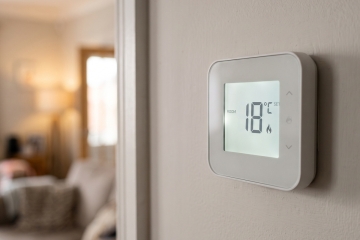
What temperature should your home be? Find out how a cold house may affect your health, who is most at risk and when to put the heating on.
The amount of energy your home needs will depend on the property, the heating system, how well the house holds heat and how often each room is being used. A heating schedule that works for one household might be completely wrong for another.
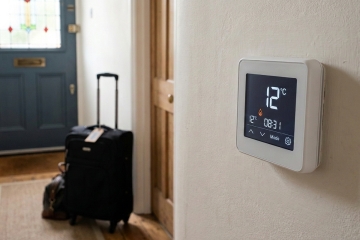
If you're going away during colder weather, leave the heating system powered and turn the thermostat down rather than switching the boiler off completely.

By signing up I agree to receive HeatandPlumb.com emails and to the privacy policy. I can also unsubscribe at any time