
0
£0.00

Ant is a digital marketing specialist and bathroom content creator with over a decade of experience in the industry. He has written on wide-ranging topics within the heating and plumbing sectors with hundreds of published articles for leading online retailers.
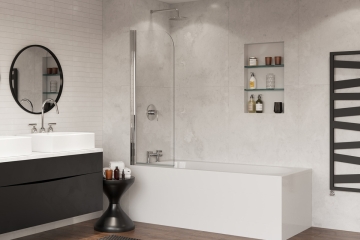
Bath screens collect water marks, soap residue and limescale quickly because they sit directly in the splash zone above the bath. Cleaning the glass, seals and moving parts regularly helps reduce staining, keeps the screen easier to maintain and lowers the chance of water escaping around worn or dirty seals.
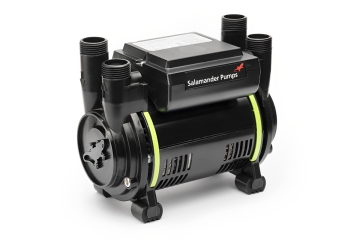
A shower pump is rarely chosen by its physical size. The important part is matching the bar rating, pump type and water system to the bathroom, otherwise performance can suffer through weak flow, unnecessary noise, rapid hot water use or a pump that does not activate correctly.
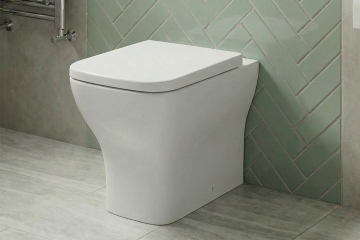
Toilet dimensions vary more than many homeowners expect, and a difference of just 50mm can dictate whether a pan fits comfortably or makes a small bathroom feel cramped. Comparing exact heights, widths and projection measurements before committing to a design prevents awkward layouts and costly installation compromises.
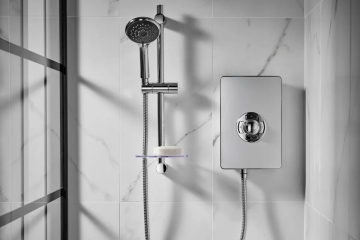
Running costs for an electric shower depend directly on its kilowatt (kW) rating and the current price of electricity. Higher-rated units heat water faster to provide better flow rates, but they inevitably draw more power to do so.
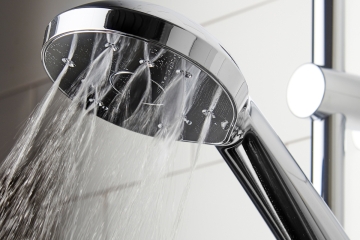
Hard water regions across the UK leave dense calcium carbonate deposits that block shower head nozzles and severely restrict water flow. Removing this limescale safely relies on mild acidity, rather than the aggressive scrubbing or heavy chemicals that permanently ruin bathroom fittings.
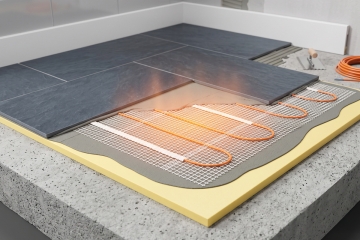
Retrofitting underfloor heating is mostly dictated by floor construction and available build-up depth, and getting this wrong usually leads to avoidable floor height issues and rework.
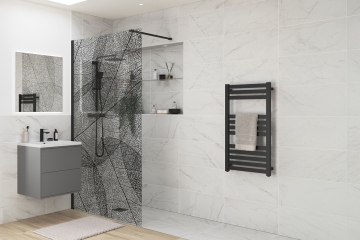
Wet rooms fail when drainage, floor falls, or tanking are specified incorrectly. Once tiles go down, fixing mistakes usually means ripping the entire floor back out. Understanding the underlying plumbing, drainage, and structural requirements before you start buying parts is the only way to ensure the space remains leak-free for decades.
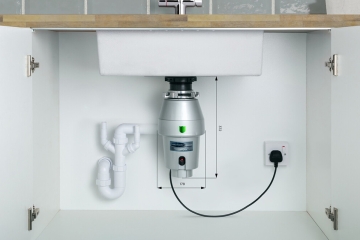
Food waste disposal units offer a highly hygienic method for managing kitchen scraps directly at the sink. These discreet under-sink appliances reduce household landfill contributions while eliminating odours and pests from the kitchen environment.
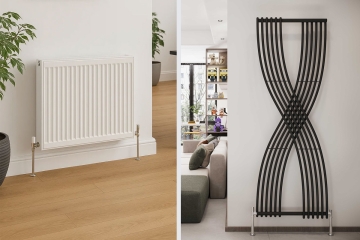
The gap between designer and standard radiators extends far beyond aesthetics into manufacturing quality, heat output efficiency, longevity, and whether the premium price actually delivers proportional value.

By signing up I agree to receive HeatandPlumb.com emails and to the privacy policy. I can also unsubscribe at any time