
0
£0.00
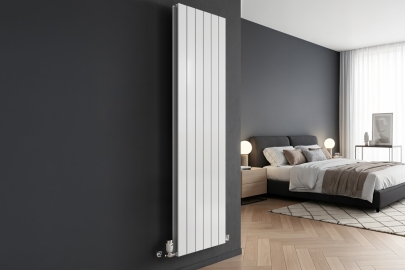
Designer radiators are not automatically less efficient than standard radiators. The real test is whether the model has the right BTU output, size and placement for the room.
A designer radiator can heat a room well if the BTU output suits the space. A standard panel radiator can also underperform if it is too small for the room, so appearance alone is not a fair way to judge performance. The important figure is the stated heat output and whether that output suits the space.
Customers often use the word "efficiency" when they really mean "will this heat my room properly?". Heat output, measured in British Thermal Units (BTU) or watts, shows the raw heating power of the unit. Efficiency also covers how well the radiator suits the room, how quickly the space feels warm, how much wall space the unit uses, and whether heat can circulate freely. A large model might have a high BTU rating on paper, but if large furniture blocks the airflow, the room may still feel cooler than expected. For buyers, the practical question is whether the radiator's output matches the heat the room needs.
Comparing designer radiators with standard panel radiators comes down to balancing appearance with practical heating requirements. Neither option is automatically better, but they often suit different scenarios.
| Feature | Designer radiator | Standard panel radiator | What it means for buyers |
|---|---|---|---|
| Appearance | Wide variety of colours, shapes and finishes. | Traditional white, corrugated or flat panel design. | Gives options for matching the room's decor or blending in. |
| Shape and orientation | Available in tall, slim, wide or low-level formats. | Usually horizontal and rectangular. | Affects which wall spaces can accommodate the radiator. |
| BTU output | Varies widely; often relies on surface area and material. | Output is usually easy to compare by size and specification; convector fins increase surface area and can improve heat output. | The stated BTU figure should guide the final decision. |
| Wall space | Can utilise narrow gaps or full room heights. | Usually requires wide sections of low wall space. | Dictates where the radiator can be positioned. |
| Placement | Flexible; often used as a visual feature. | Commonly placed under windows to counter cold draughts. | Influences airflow and how heat circulates through the room. |
| Price | Generally a higher initial investment. | Usually the most cost-effective option. | Impacts the total project budget, especially for multiple rooms. |
| Best use | Rooms where aesthetics are a priority or wall width is restricted. | Standard heating replacements and large properties on a budget. | Helps decide which model fits the practical needs of the property. |
A decorative model with the correct BTU output can heat a room properly, whereas a standard radiator with too little output will still struggle. Size, material and design affect output, but the product's stated BTU should guide the choice. Older homes with poor insulation, large windows or solid walls will usually need more heat than a modern, well-insulated room. Use a BTU calculator or radiator size chart to estimate the room's requirement before looking at specific models. Choosing by size alone can mean the radiator does not provide enough output for the room.
Yes, vertical radiators can heat a room if the output is suitable. These models are useful where wall width is limited, freeing up lower wall space in kitchens, hallways and rooms with large windows to allow for better furniture placement. Changing from a horizontal radiator to a vertical model may involve pipework changes, so pipe centres are worth checking before ordering. Buyers should check height, width, projection, and BTU output to ensure the chosen model will fit the space. Our guide to the pros and cons of vertical radiators covers the trade-offs in more detail.
Material can affect how quickly a radiator heats up and cools down, while surface area affects how much heat can be released into the room. A slim, narrow radiator may look neat but still requires enough output for the space. Standard convector radiators use zig-zag metal fins welded to the back or inside of the panels to increase surface area, which boosts output. Many designer models lack these fins, relying entirely on their external surface area to heat the air.
For example, column radiators, flat panel, tubular and ladder-style designs can all perform differently depending on their internal volume and how much metal is exposed to the air. A deeper cast iron model takes longer to reach temperature but retains heat well, while aluminium models can heat up quickly. However, many designer radiators are manufactured from mild steel, which offers a practical balance of heat-up time, durability and heat retention.
Large, poorly insulated rooms often require a very high output, which might stretch the budget if supplied purely by designer models. Rooms where large furniture blocks the only suitable wall will trap the heat, meaning a basic convector radiator might be a more sensible investment since it will be hidden anyway. In bathrooms where towel drying is the main priority, a dedicated heated towel rail often makes more sense than a flat panel designer unit. Finally, simple replacement jobs where existing pipework limits options might steer a buyer toward a standard horizontal radiators layout to avoid unnecessary pipework changes. Loft conversions with low knee walls also restrict height, making low-level standard panels a frequent choice.
Designer radiators are not less efficient by default. A correctly sized model with the right BTU output can heat a room properly, whether it is vertical, horizontal, column-style or flat panel. The best approach is to choose the design you like, then check the heat output, wall space, pipe centres and placement before ordering.

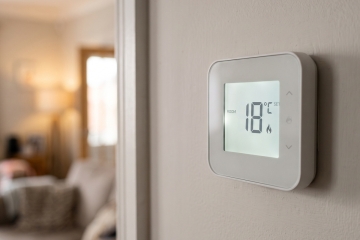
What temperature should your home be? Find out how a cold house may affect your health, who is most at risk and when to put the heating on.
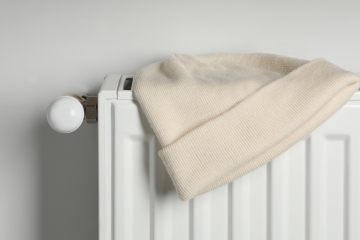
The amount of energy your home needs will depend on the property, the heating system, how well the house holds heat and how often each room is being used. A heating schedule that works for one household might be completely wrong for another.
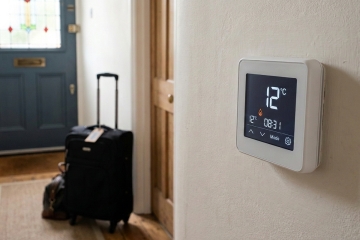
If you're going away during colder weather, leave the heating system powered and turn the thermostat down rather than switching the boiler off completely.

By signing up I agree to receive HeatandPlumb.com emails and to the privacy policy. I can also unsubscribe at any time